

A border crossing is, for most people, a sequence of queues: one for customs, another for immigration, another for security. An Integrated Check Post, or land port, gathers these functions into a single place. For travellers and traders, that changes the experience of the crossing. For the Architect, it changes the building: the task becomes one of arranging a clear route through a set of linked controls, under one roof.
Three functions, one building
The terminal brings together the three core functions of border management:
- Customs, for the clearance of cargo, goods and personal belongings.
- Immigration, for passenger identification, visa checks and passport control.
- Border security, which keeps the crossing safe and lawful.
Around them sit the other services a crossing depends on: quarantine, financial and regulatory agencies, foreign exchange bureaus and tourist information. Placing them together creates a single window, where a traveller or trader can settle every port requirement in one place rather than moving from office to office.
Passengers and cargo
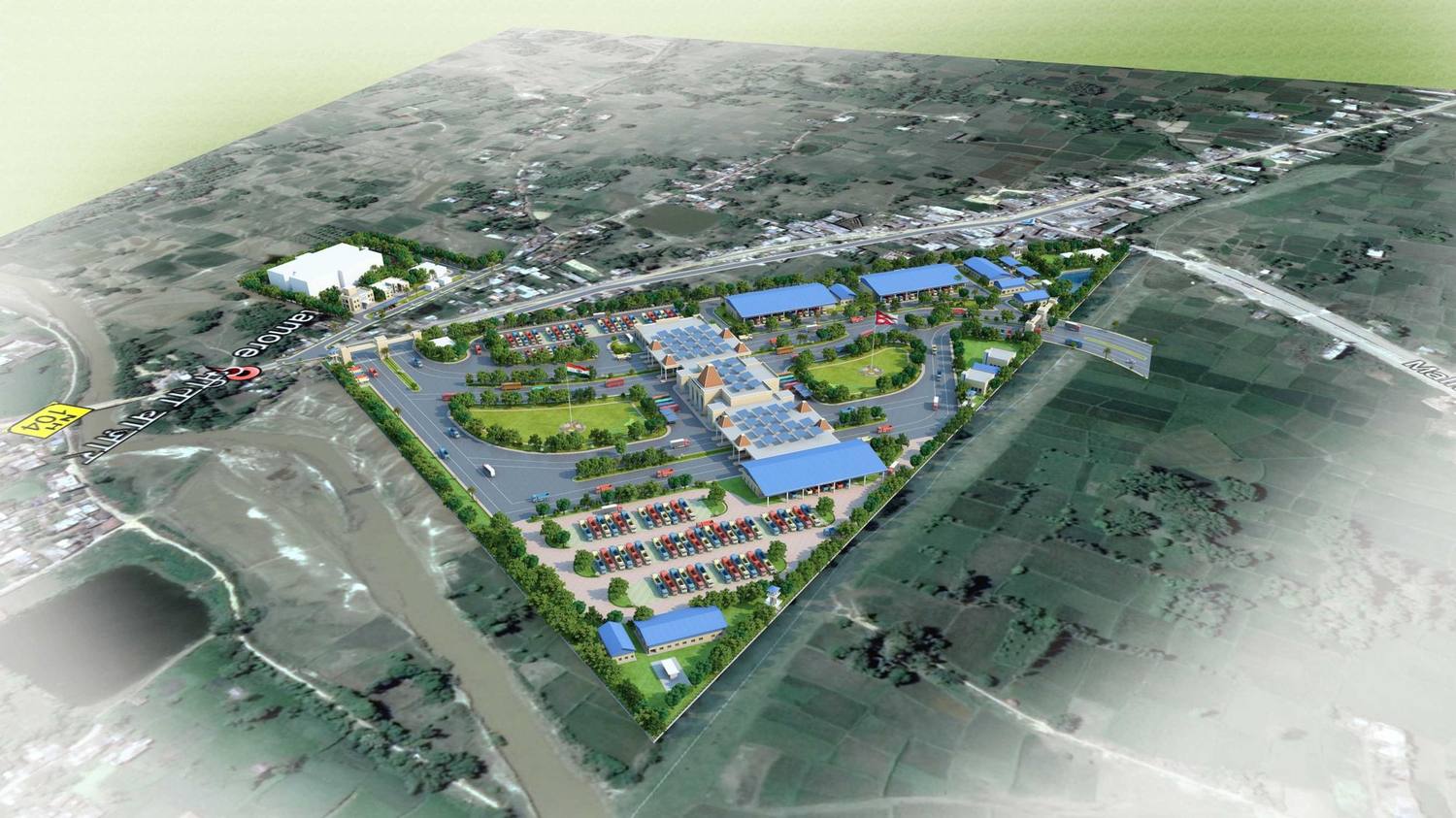
A land port serves two very different kinds of movement. Travellers need a passenger terminal that is clear, calm and welcoming. Goods need warehousing, cargo handling and scanning facilities that can deal with large volumes efficiently. Designing for both, while keeping transit times short and avoiding bottlenecks, is the central Planning question.
The passenger terminal is the face of the crossing. It is meant to combine function with a sense of welcome, so that crossing a border feels orderly rather than daunting.
Order at the edge
A regulated, well organised crossing has effects beyond the building. Bringing trade through a formal route lowers transport and transaction costs and reduces informal cross-border trade. It also makes the border easier to cross for visitors, supporting tourism and cultural exchange between neighbouring regions. None of this works without coordination between customs, immigration, security, quarantine and the other agencies, and the building is where that coordination happens.
The terminal is designed with environmentally responsible practices and good road connections for access. In the end, the success of a land port is measured quietly: in a shorter wait at a counter, and in a truck that clears inspection and moves on.
The project
Land Port Terminal
Bihar, Bihar
See the project