
Shaping Future-Ready Learning Environments in the North-East: Inside ARCH-EN DESIGN’s Three JNV Campus Masterplans
- 19 November 2025
Across the diverse landscapes of India’s
North-East—ranging from the humid plains of Assam to the terraced valleys of
Manipur—ARCH-EN DESIGN has been entrusted with a unique responsibility: to
envision and craft three permanent campuses of the Jawahar Navodaya Vidyalaya
(JNV) at Charai Deo (Assam), Majuli (Assam), and Noney (Manipur). Each project,
implemented under the Navodaya Vidyalaya Samiti (NVS) with NBCC (India) Ltd. as
PMC, represents a commitment to inclusive education, climate-resilient
planning, and environmentally conscious design. While united by a common
educational vision, each campus responds to immensely different terrains,
ecological sensitivities, and climatic contexts.

JNV
Charai Deo, Assam – A Climate-Responsive Campus Rooted in Ecology
Situated on a 23.13-acre government-allotted parcel, the JNV Charai Deo campus
is imagined as a self-sustaining
residential school community that aligns closely with Assam’s warm–humid
tropical climate. The site’s gently undulating terrain and lush surroundings
offer a serene setting for an academic environment designed to foster holistic
development. The master plan adopts a clear zoning strategy: a centrally placed
academic block, flanked by boys’ and girls’ dormitories, staff residences, dining
areas, and sports facilities—all interconnected through shaded pedestrian pathways and green open spaces.
Given the region’s heavy monsoons and high humidity, the design prioritizes
durability and comfort through sloped roofs, deep overhangs, and cross-ventilated
interiors. The campus integrates a strong blue–green framework of bioswales, percolation pits, and stormwater
channels to manage runoff while enhancing groundwater recharge.
Sustainability is further strengthened through the use of local materials,
passive cooling techniques, and maximized natural daylight, resulting in a
campus that is both beautiful and inherently resilient.

JNV
Majuli, Assam – An Educational Oasis on a River Island
Designing a permanent campus on Majuli, one of the world’s largest inhabited
river islands, required a sensitive and deeply contextual approach.
Spread across 33.295 acres, the
JNV Majuli campus respects the island’s alluvial
soil, high water table, and monsoon-driven flooding cycles. The master
plan is anchored in the idea of harmonious
coexistence with nature, with over 60% of the site intentionally
preserved as green cover. Buildings follow a north–south orientation to reduce
heat gain, while pitched roofs and
extended eaves offer robust protection against heavy rainfall and
humidity.
The campus layout features a central academic
block, gender-specific hostels, residential quarters, a dining complex, guest
house, extensive playfields, and essential services. All components are connected
through a pedestrian-first circulation spine supported by shaded walkways. An
integrated rainwater management network—comprising bioswales, recharge pits, and open green courts—celebrates water
as an essential ingredient of Majuli’s identity. The result is a campus that
balances academic rigor with ecological mindfulness in a uniquely sensitive
riverine environment.


JNV
Noney, Manipur – Designing for the Hills with Precision and Sensitivity
Perched on 30.86
acres of steep, forested terrain along the Imphal–Jiribam corridor, the
JNV Noney campus poses the most complex design challenge among the three. Here,
architecture works in direct dialogue with the land. The site’s steep slopes, heavy monsoon runoff, erosion
sensitivity, and seismic Zone-V classification demanded a terraced
master planning approach. Buildings are strategically positioned along natural
contours, minimizing earthwork and ensuring structural stability.
Climate-responsive strategies play a crucial role:
pitched roofs prevent driving rain from damaging façades, deep overhangs
protect against moisture, and cross-ventilation keeps learning spaces
comfortable despite high humidity. The design integrates contour-based drainage
systems, stepped pathways, retaining structures, and slope-stabilizing vegetation, turning the rugged terrain into a
cohesive educational ecosystem. The program mirrors the structure of the other
JNV campuses—school block, dormitories, staff housing, dining hall, guest
house, utilities, and sports infrastructure—but adapted meticulously to its
hill setting.
A
Shared Vision, Three Distinct Responses
While the three campuses share standardized program
elements—structured for 560 students,
with academic, residential, recreational, and administrative facilities—their
architectural characters are entirely shaped by their distinct landscapes:
- Charai Deo responds to humid plains and monsoon ecology.
- Majuli adapts to a river island’s hydrological and
ecological flux.
- Noney negotiates steep slopes and rugged hill
ecology.
Together, these projects reflect ARCH-EN DESIGN’s
core ethos: creating educational environments that are contextually grounded,
environmentally sensitive, and human-centric. From monsoon-ready architecture
to terrain-responsive master planning, each campus becomes a blueprint for
future institutional development in the North-East.
These three campuses, once completed, will stand as
enduring symbols of sustainable
educational infrastructure, demonstrating how thoughtful design can
elevate learning environments even in the most challenging terrains.

Designing a Climate-Responsive Campus in Assam: The Vision Behind JNV
Related Post
14 January 2025 / Annkit Kummar
A Synthesis of Heritage and Modernity in Institutional Architecture - Atal Bihari Vajpayee Medical University
14 January 2025 / Sakshi Mathur
The Power of Net Zero: Transforming DNLU Jabalpur into a Sustainable Icon
06 July 2025 / Annkit Kummar
A Beacon of Excellence: Atal Residential School, shaping the leaders of tomorrow in Lucknow
15 December 2024 / Annkit Kummar
A Green Future: UPRERA’s Eco-Friendly Features Including Rainwater Harvesting, Solar Panels, and Energy-Efficient Systems
14 December 2024 / Annkit Kummar
Dynamic Energy-Efficient Architecture
14 January 2025 / Annkit Kummar
A state-of-the-art convention center, home to a 4,000-capacity auditorium and limitless possibilities
20 January 2025 / Annkit Kummar
Observational Tubes Gazing into Infinity: Where Earth Meets the Cosmos
01 June 2024 / Annkit Kummar
From Buddha's Path to Academic Heights
24 January 2025 / Annkit Kummar
Designed to inspire, crafted for comfort – the new residences at IIT Kanpur
27 June 2025 / Annkit Kummar
Setting New Standards for Roadside Infrastructure
26 January 2025 / Annkit Kummar
Designing Tranquility: A Buddhist-Inspired Campus in Kushinagar
15 December 2023 / Annkit Kummar
A Legacy Reimagined: Where Museums, War Memorials, and Modern Attractions Unite
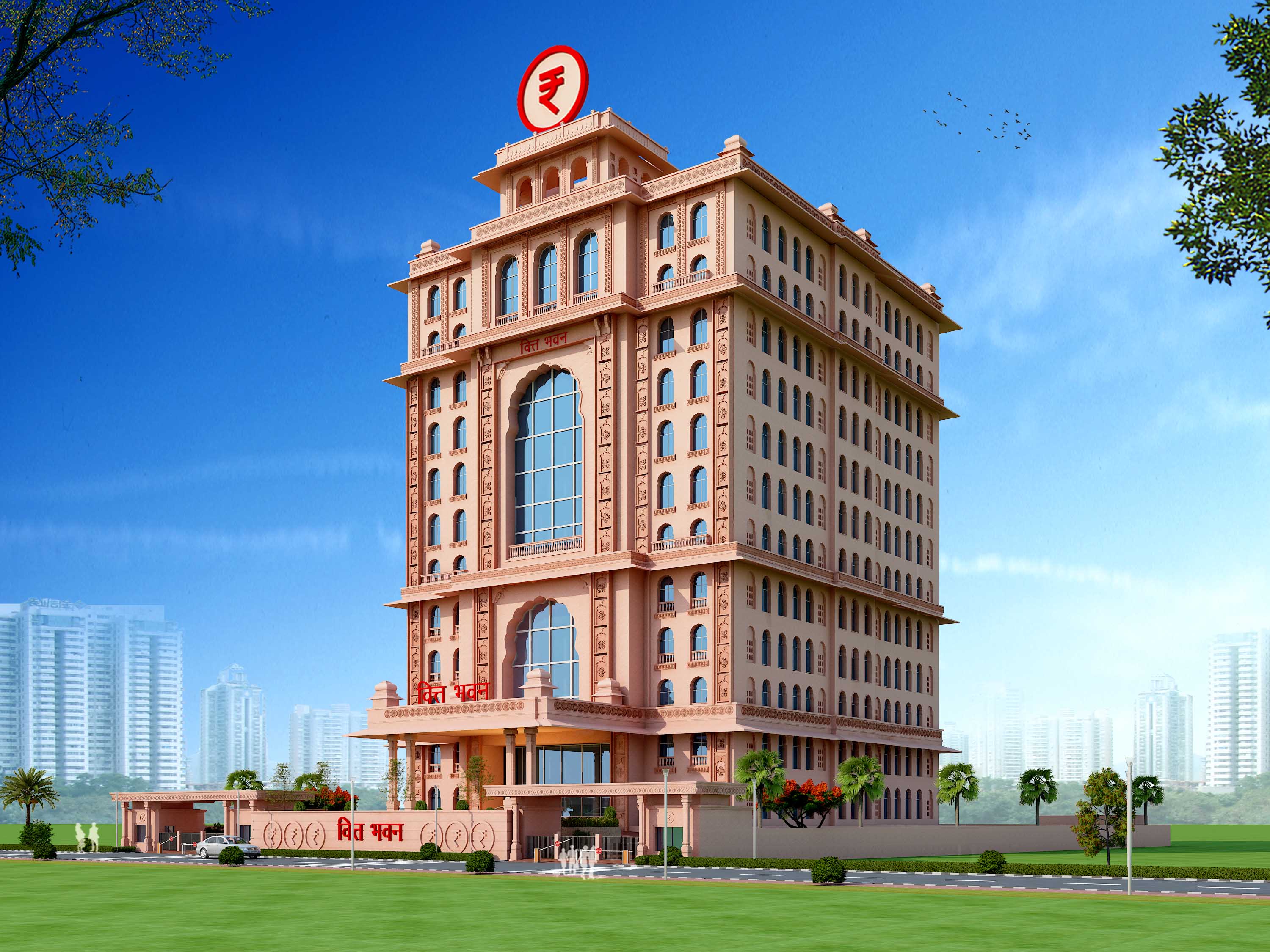
06 June 2025 / Annkit Kummar
Vitta Bhawan: Lucknow’s First GRIHA 5-Star Government Landmark

17 June 2025 / Annkit Kummar
Modern, Resilient, Strategic: The Story of Hapur Police Line’s Urban Reinvention
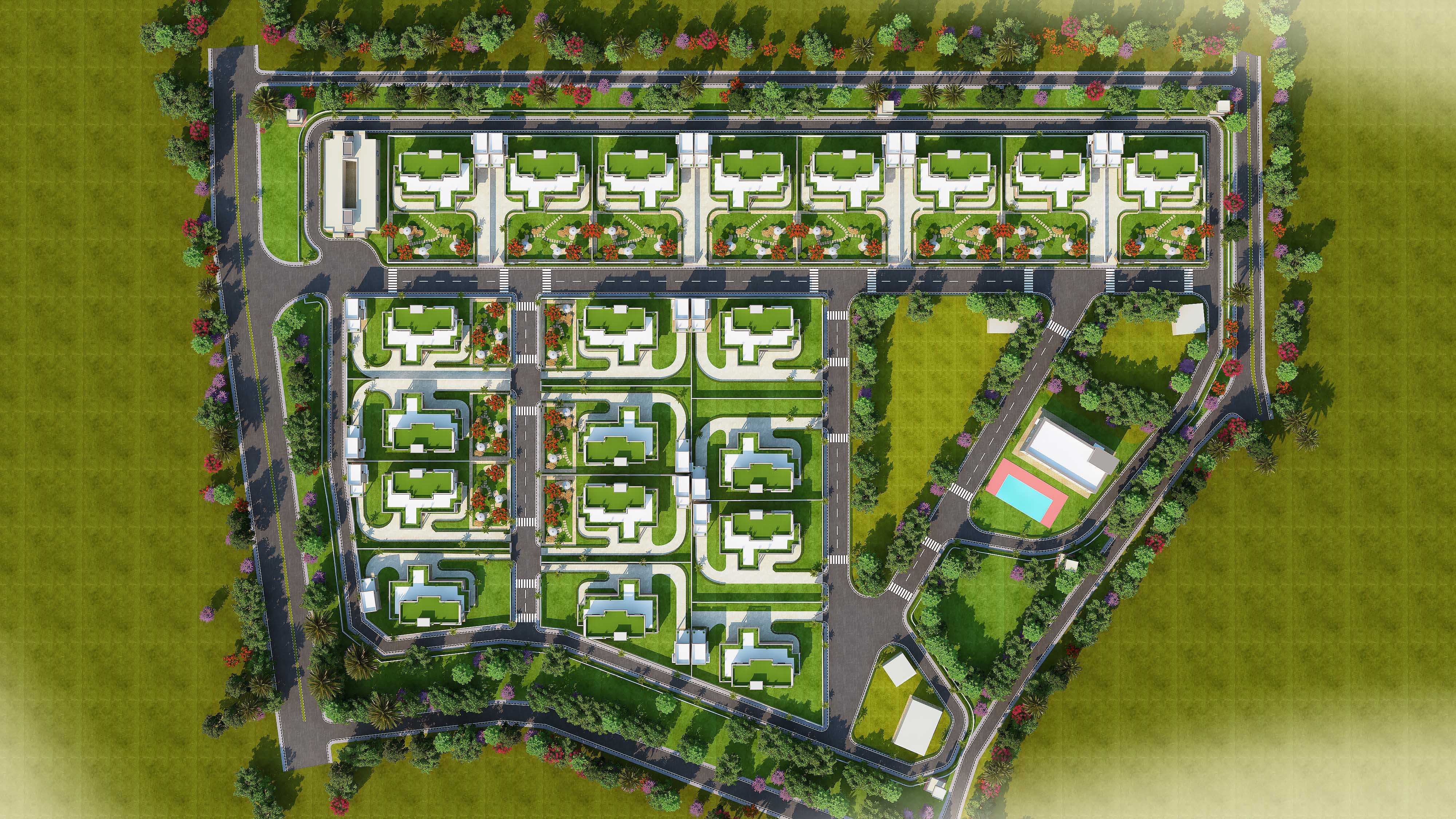
27 June 2025 / Annkit Kummar
Judges Enclave, Patna – A Harmonious Fusion of Security, Serenity, and Sophistication
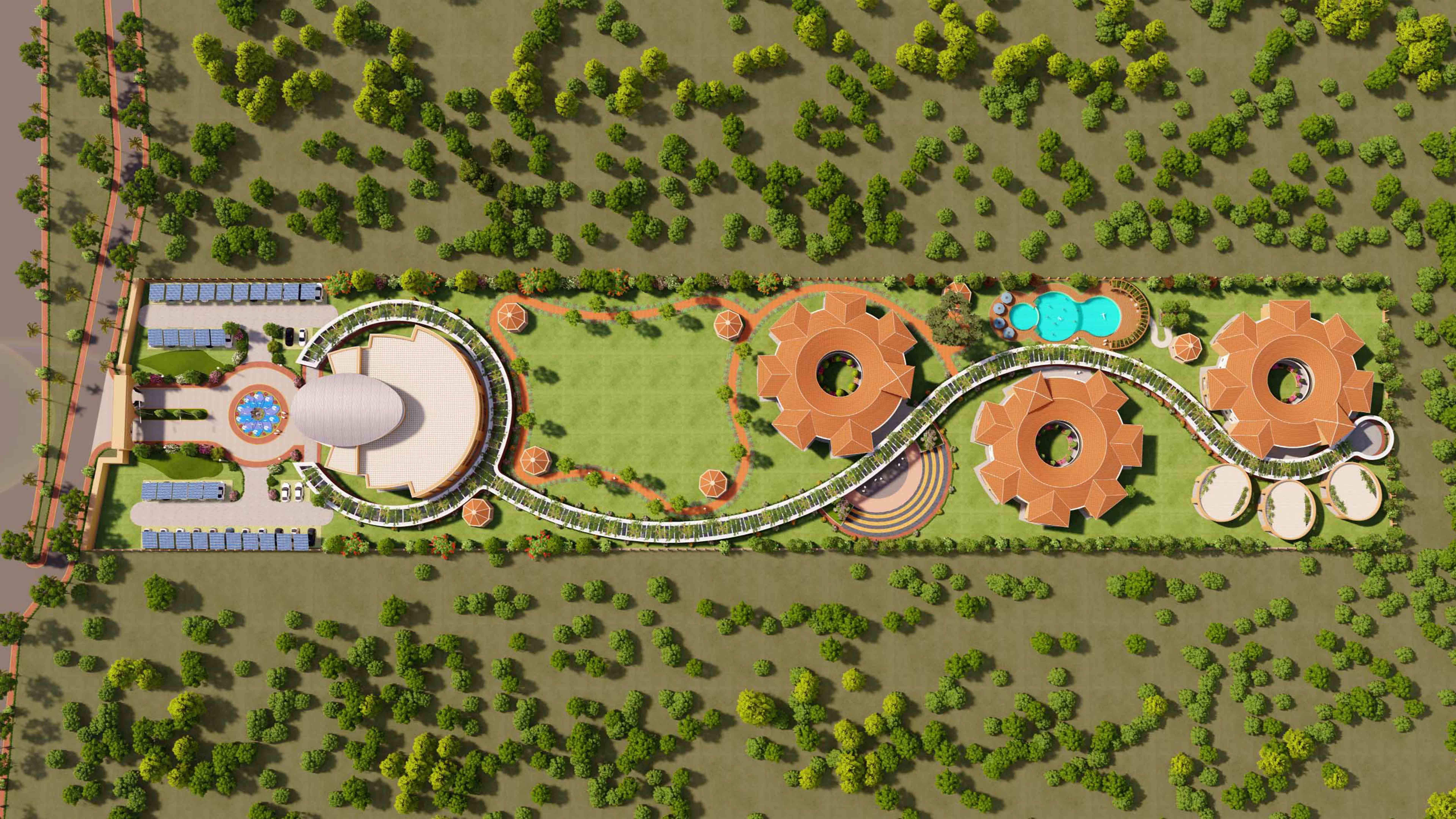
05 July 2025 / Annkit Kummar
A Campus of Calm: Where Design Meets Stillness
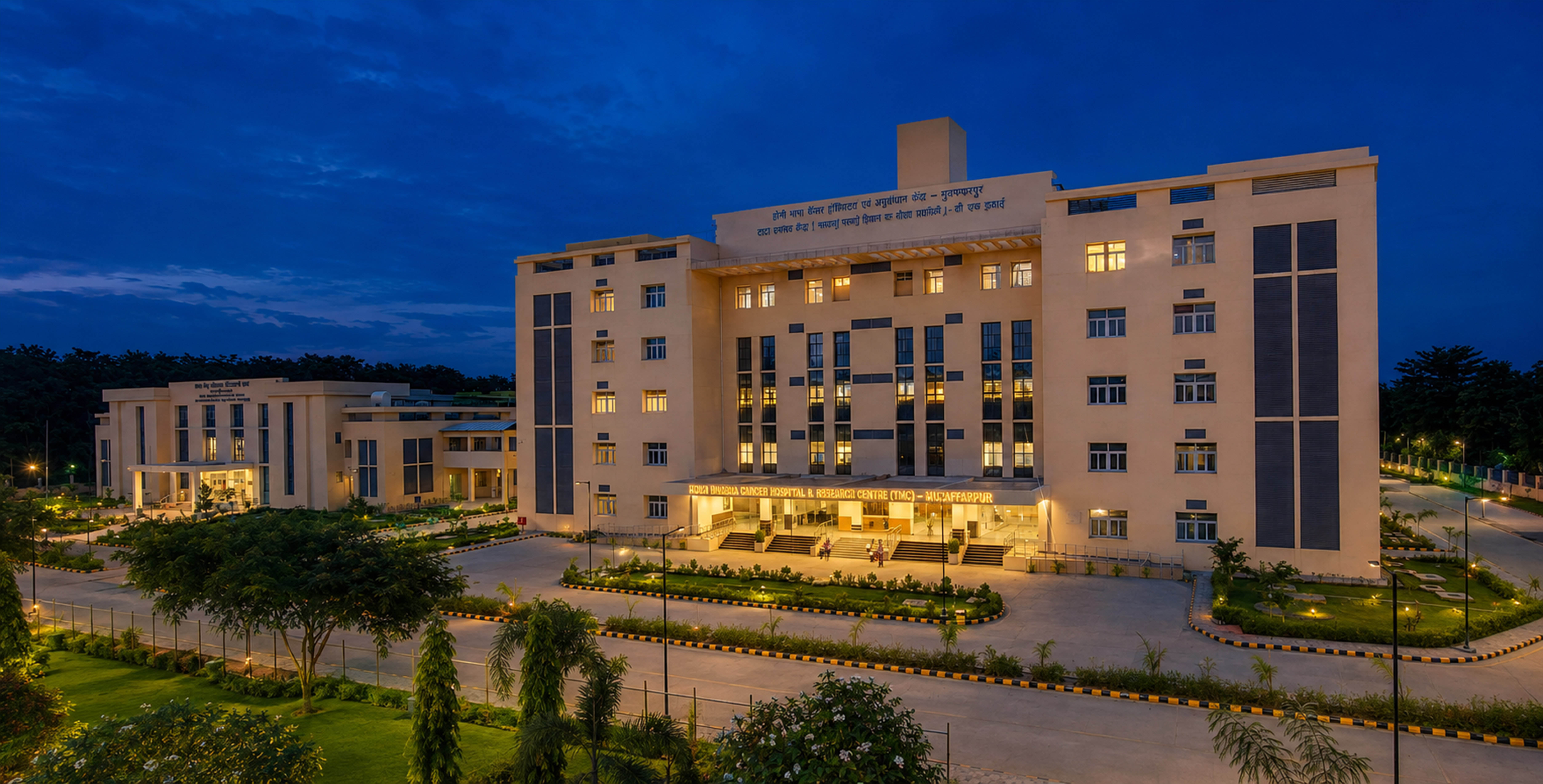
11 June 2025 / Annkit Kummar
Tata’s Quiet Revolution in Bihar: The Design of HBCH&RC Muzaffarpur
06 December 2025 / Annkit Kummar
Bhakt Niwas – Maharashtra Bhavan: Maharashtra’s Devotional Offering to Ayodhya
07 March 2026 / Annkit Kummar
International Potato Centre, Agra
09 April 2026 / Annkit Kummar
Apollo ISPAT Post Graduate Institute and a 300 Bedded Super Specialty Hospital
02 May 2026 / Annkit Kummar
A Diplomatic Gateway
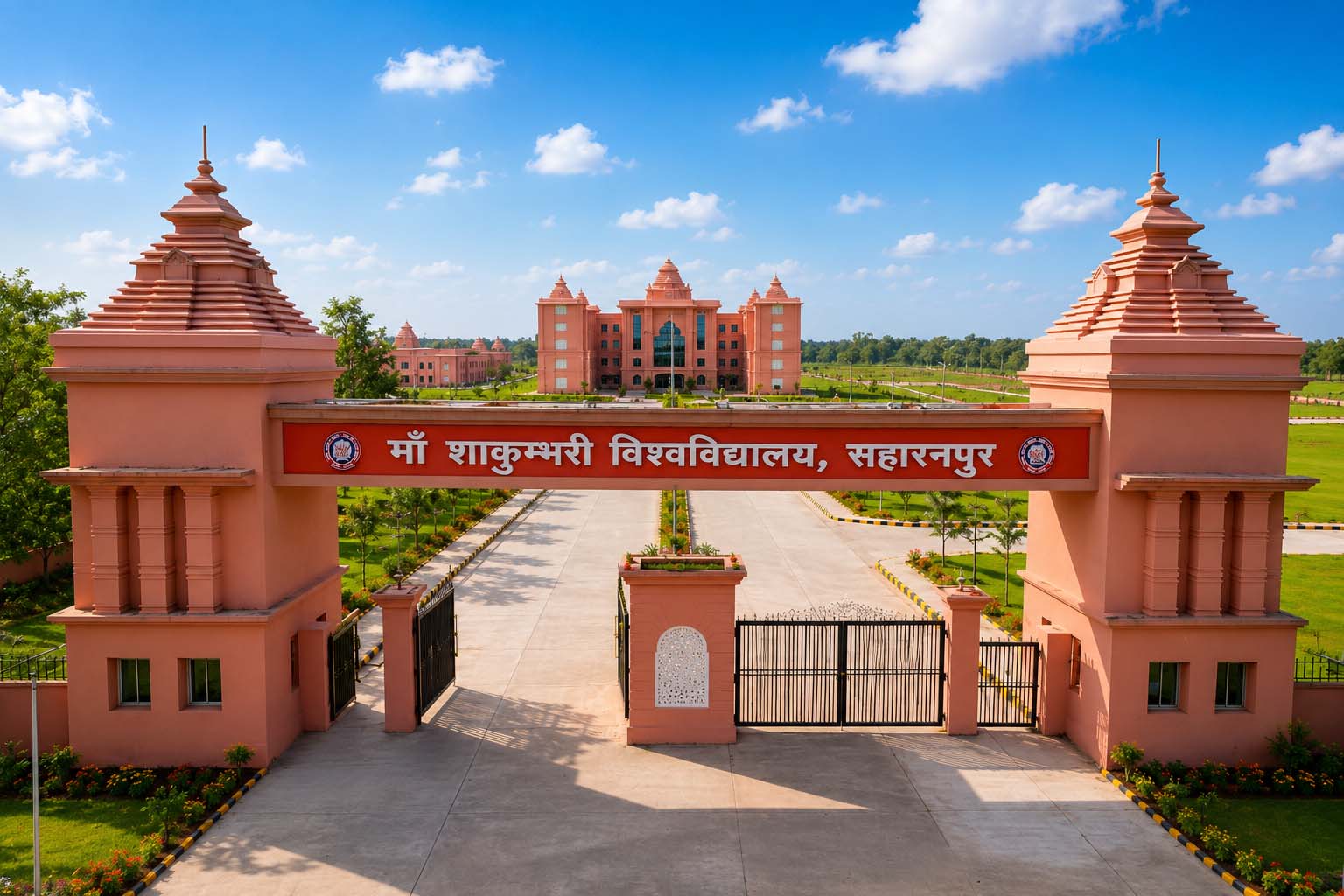
27 June 2026 / Annkit Kummar
Maa Shakumbhari University Saharanpur
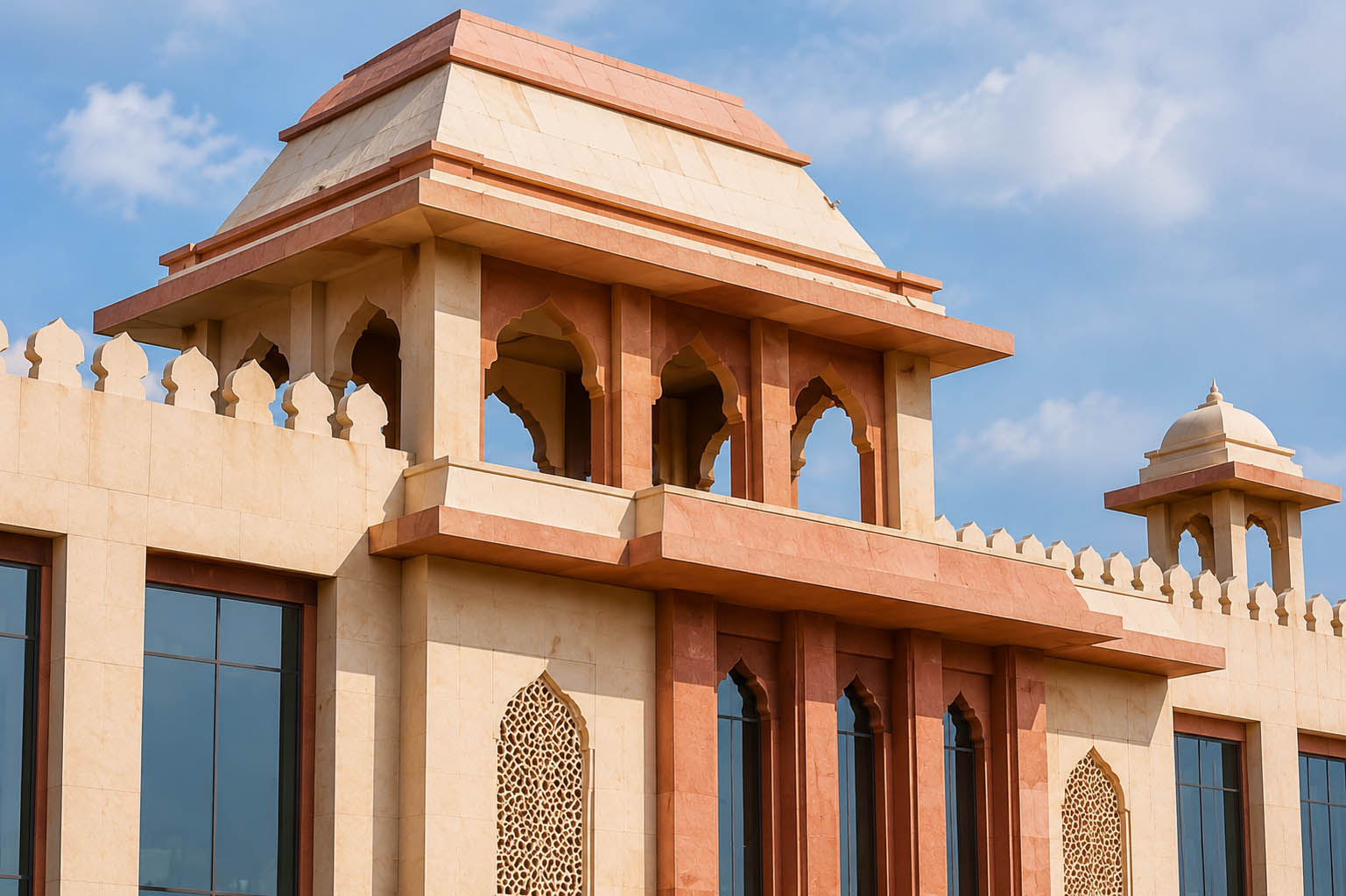
27 June 2026 / Annkit Kummar
Pandit Deendayal Upadhyay Government Medical College, Churu
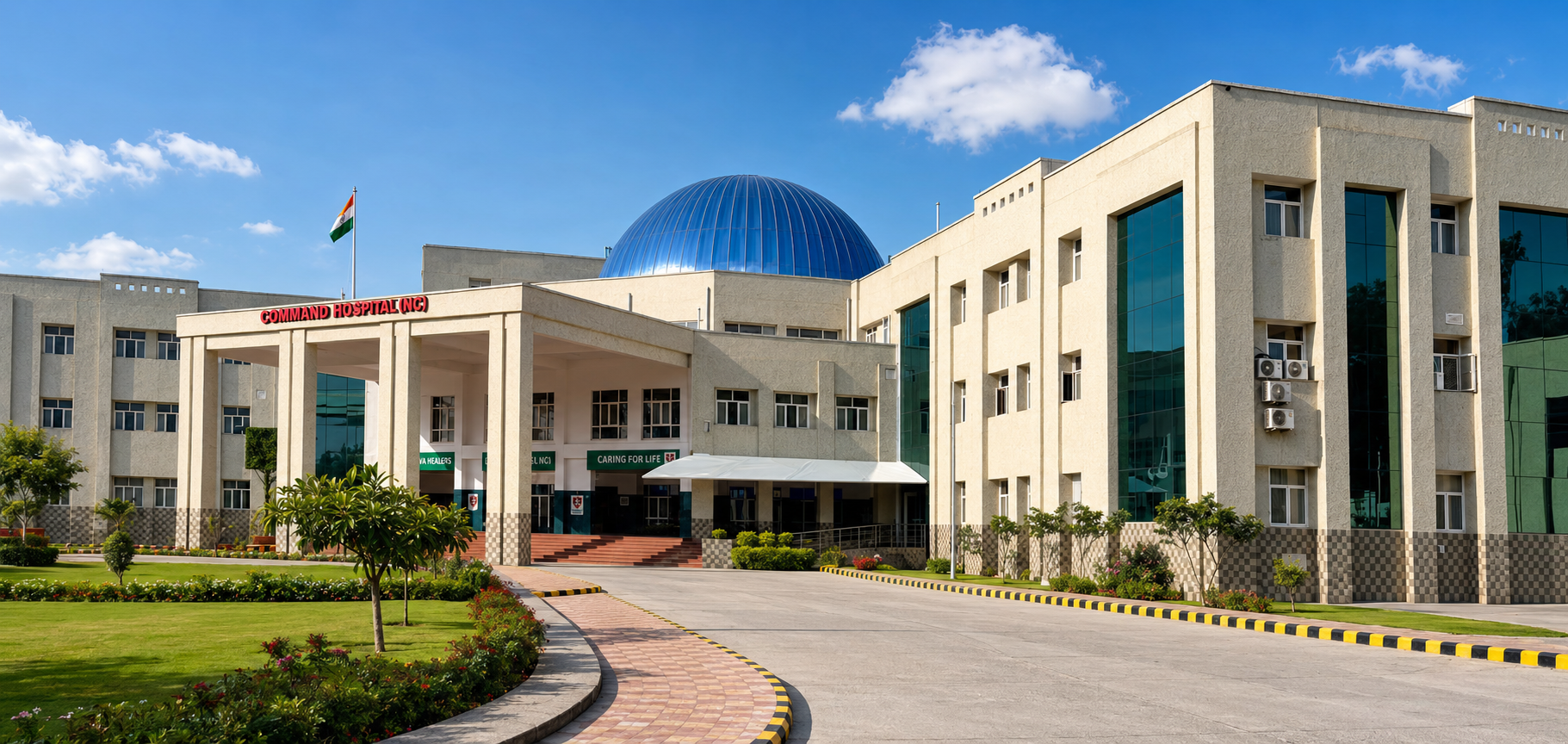
22 July 2026 / Annkit Kummar
Command Hospital Udhampur | 850-Bed Defence Healthcare Campus
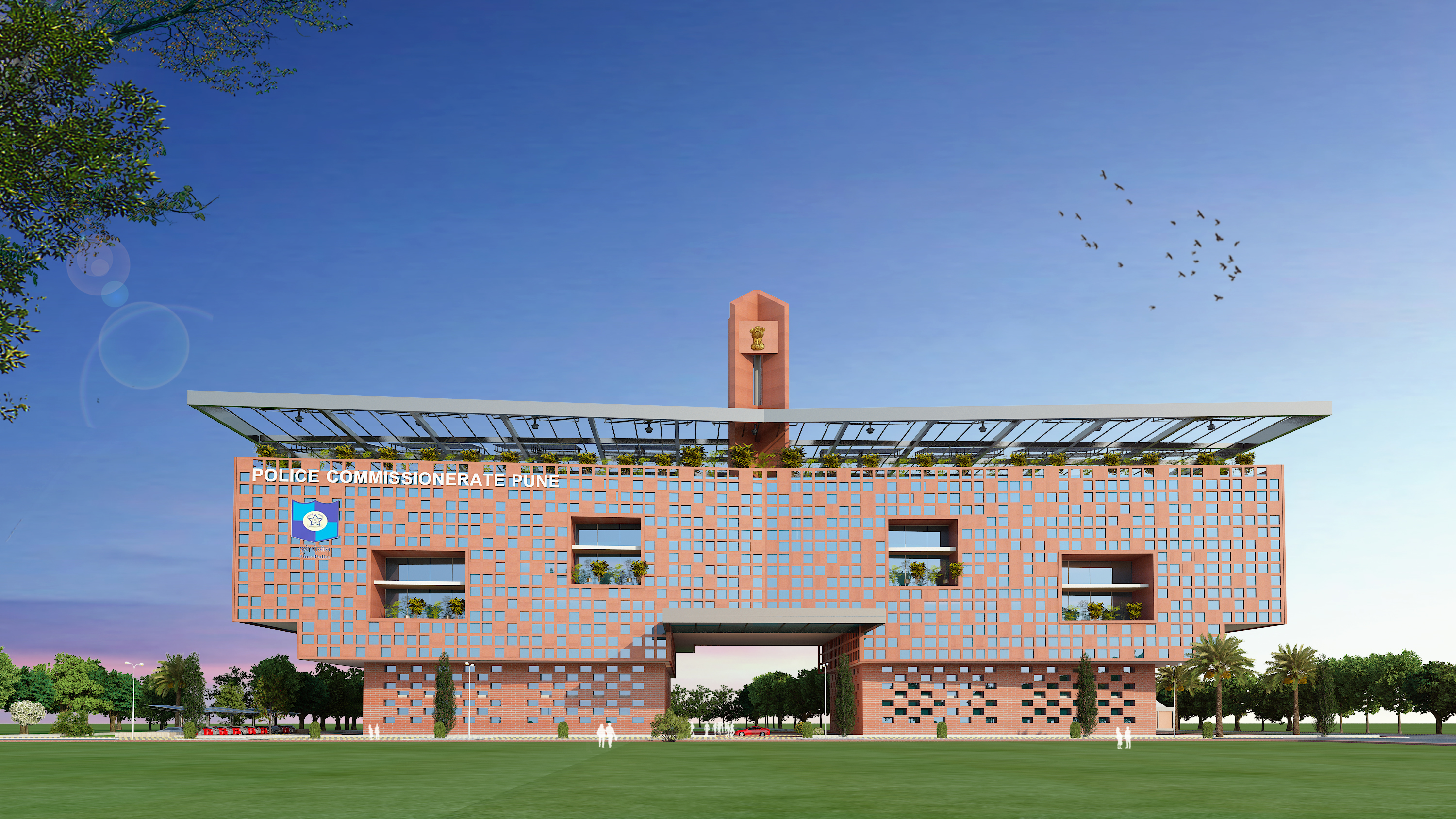
11 April 2026 / Annkit Kummar
A new identity for civic architecture—bold, responsive, and unmistakably institutional.
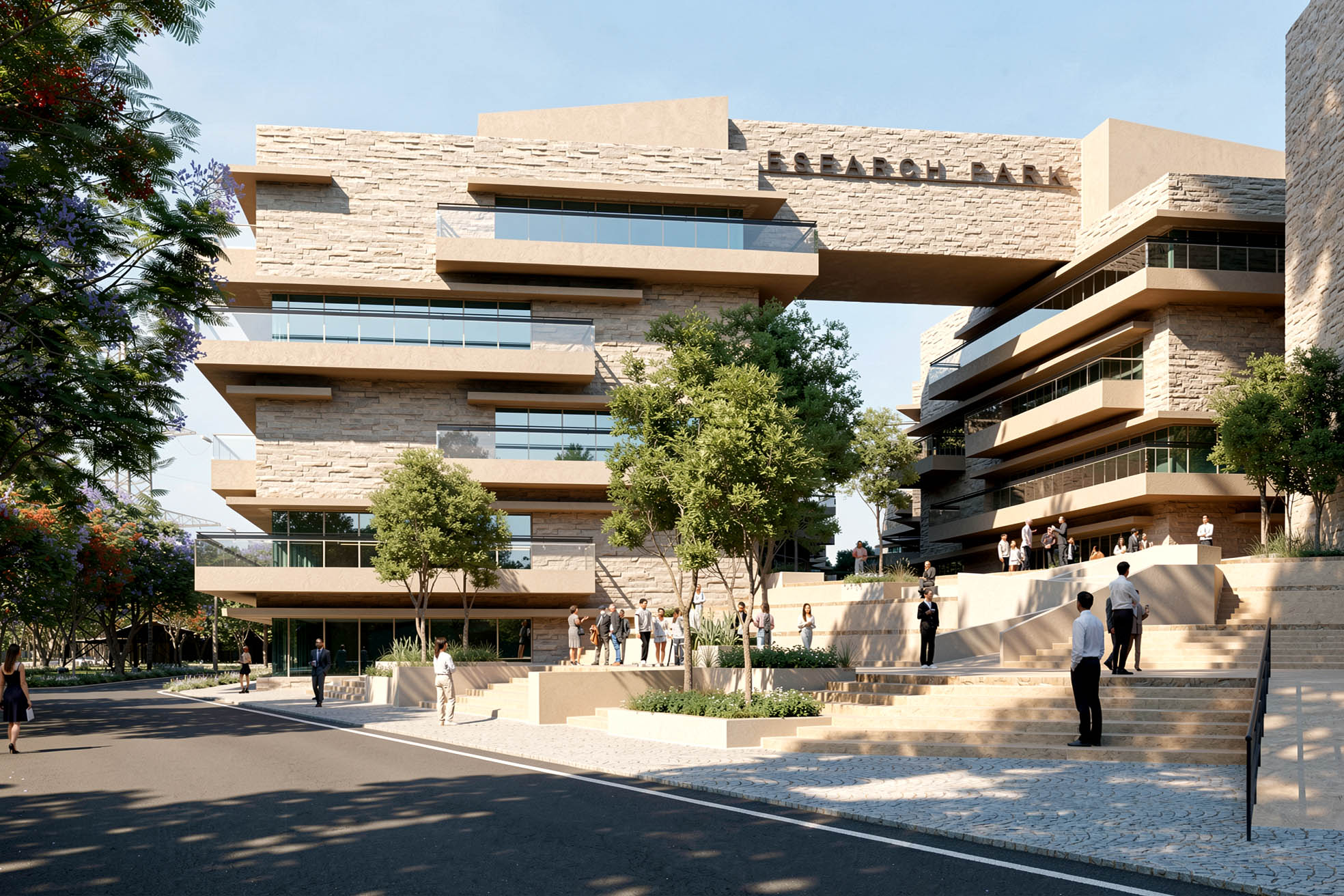
20 July 2026 / Annkit Kummar
Research Park Architecture: A Future-Ready Ecosystem for Innovation
22 August 2026 / ANNKIT KUMMAR
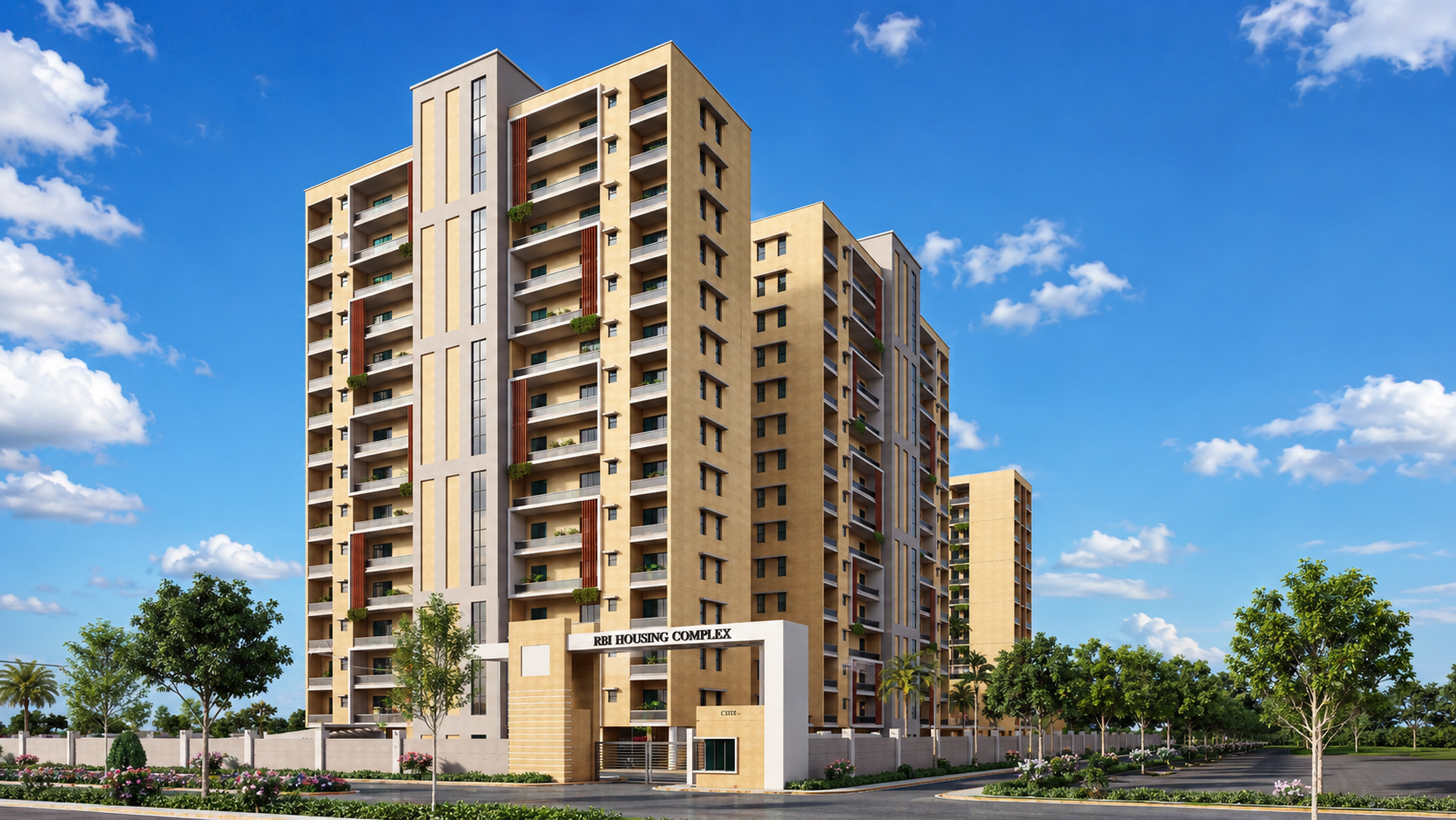
RBI Officers’ Residential Complex, Lucknow
14 January 2025 / Annkit Kummar
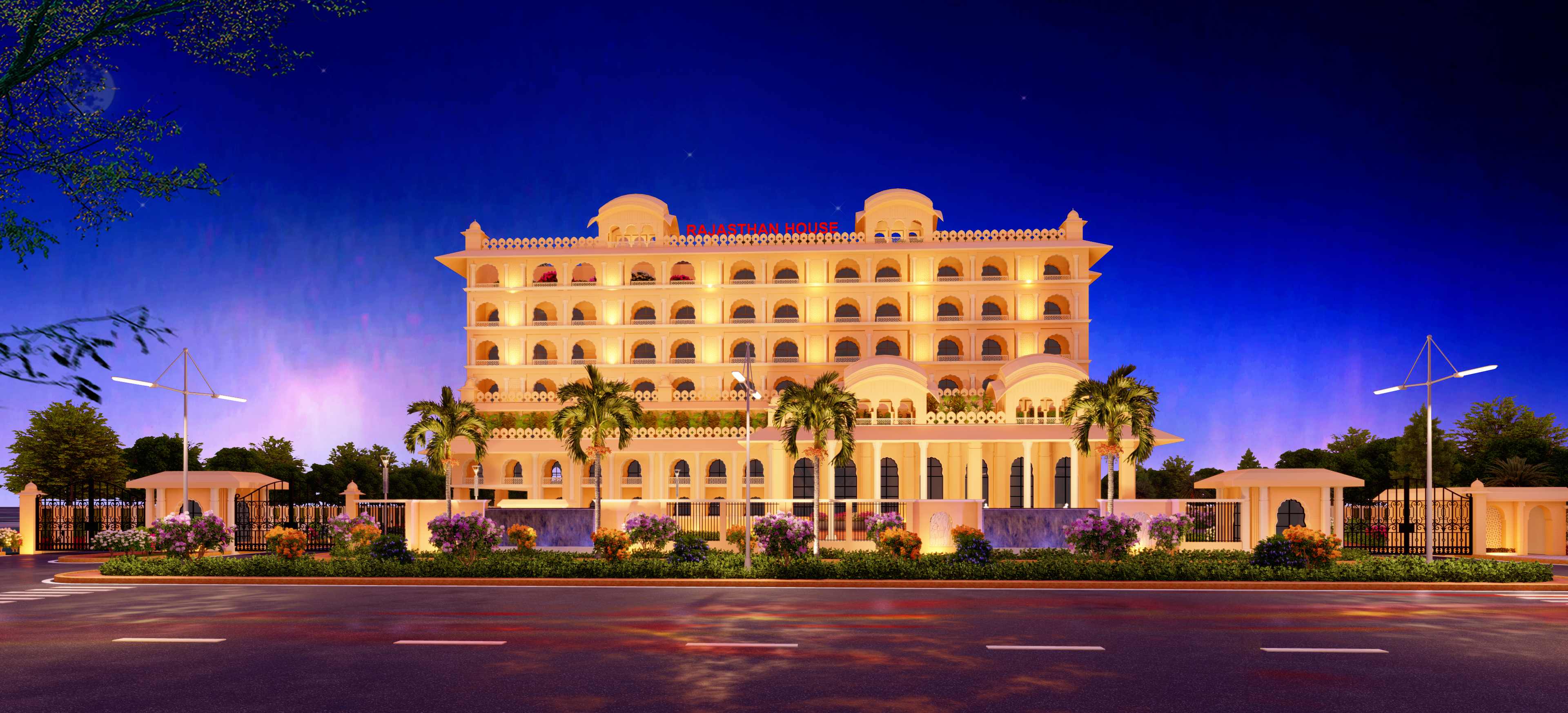
Reimagining Hospitality: The Rajasthan State Guest House
14 January 2025 / Annkit Kummar
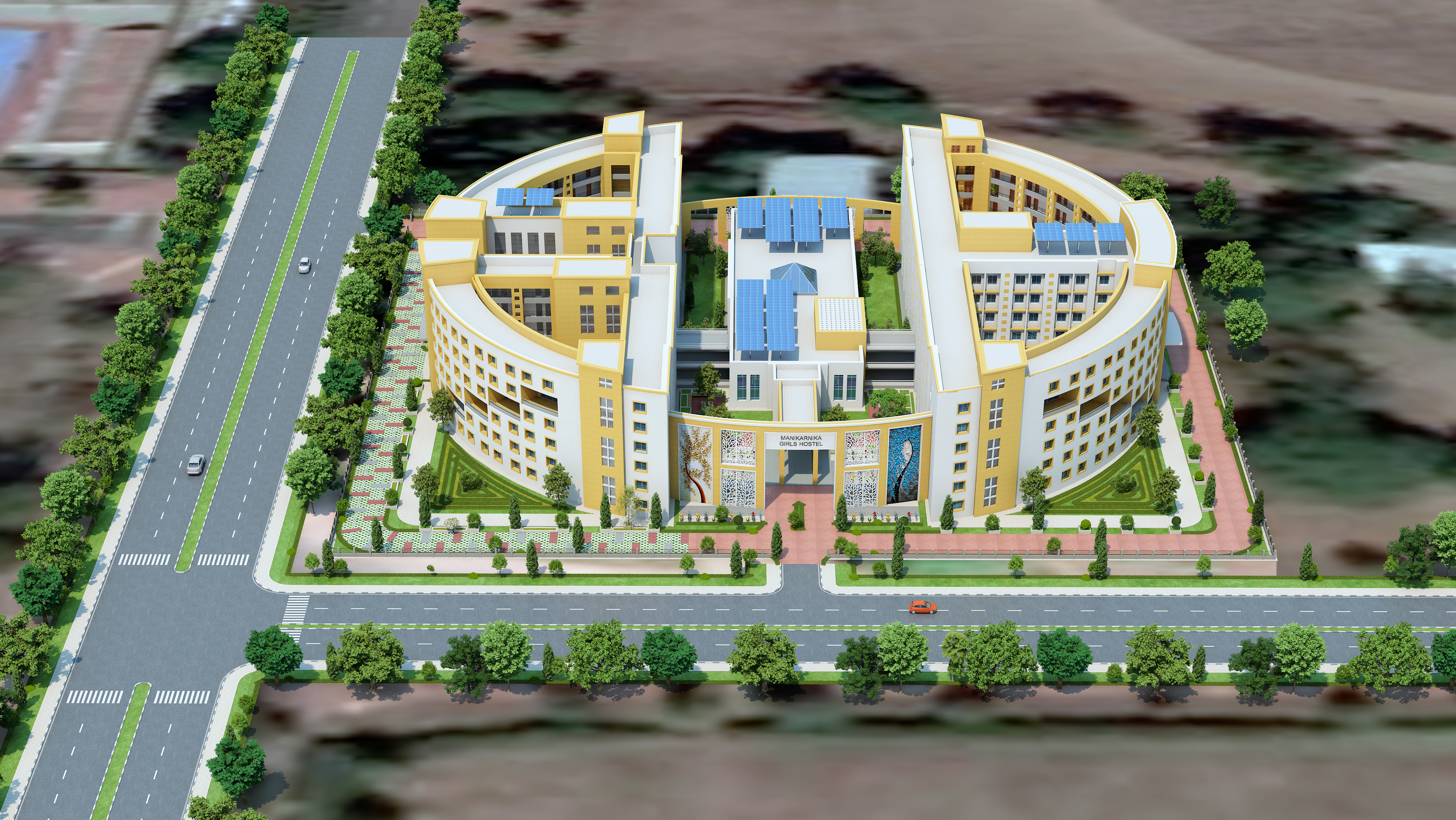
Fostering Community, Inspiring Growth: New Hostel at IISER Bhopal
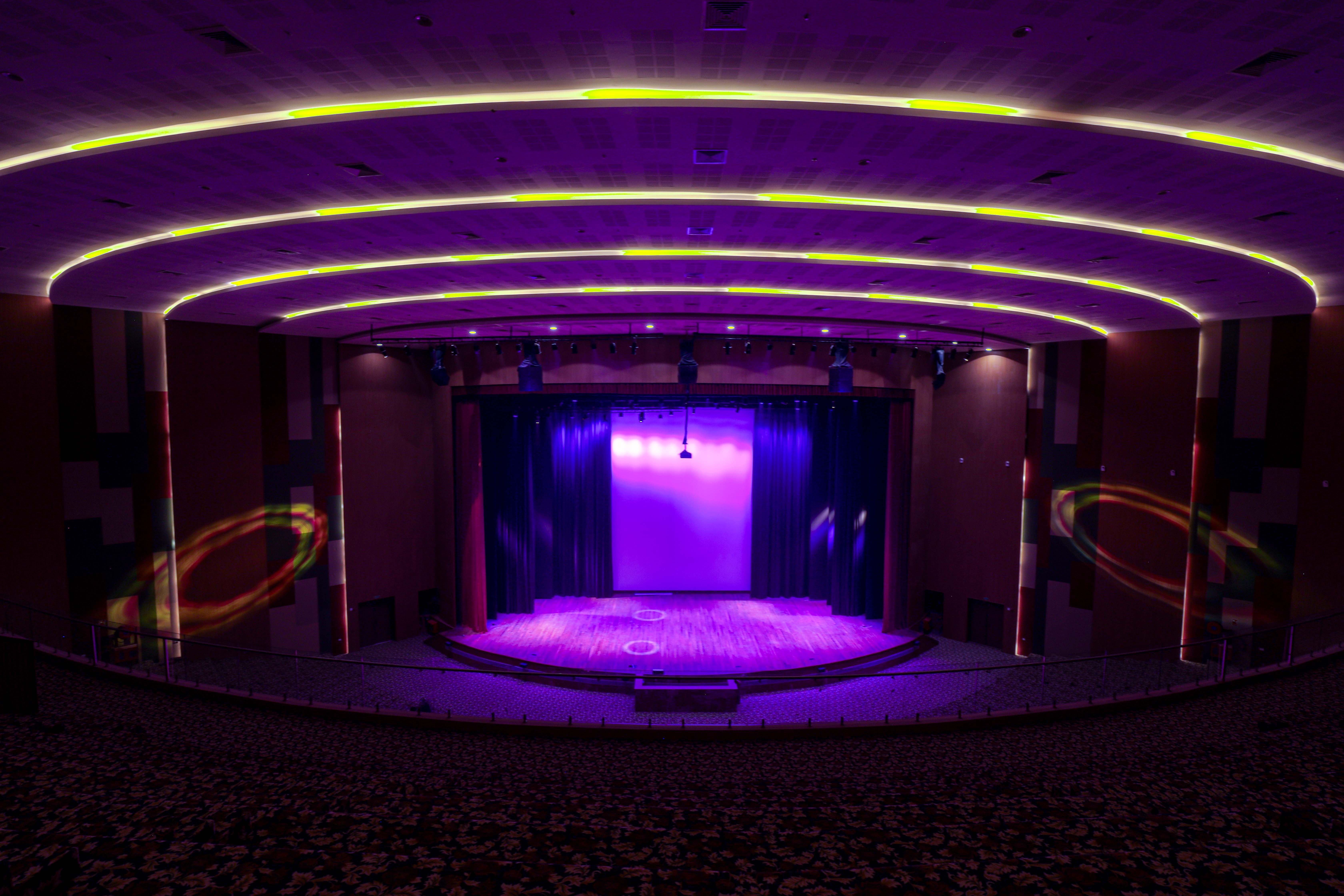
14 January 2025 / Annkit Kummar
2000-Capacity Auditorium at Atal Medical University: A Landmark for Education and Innovation
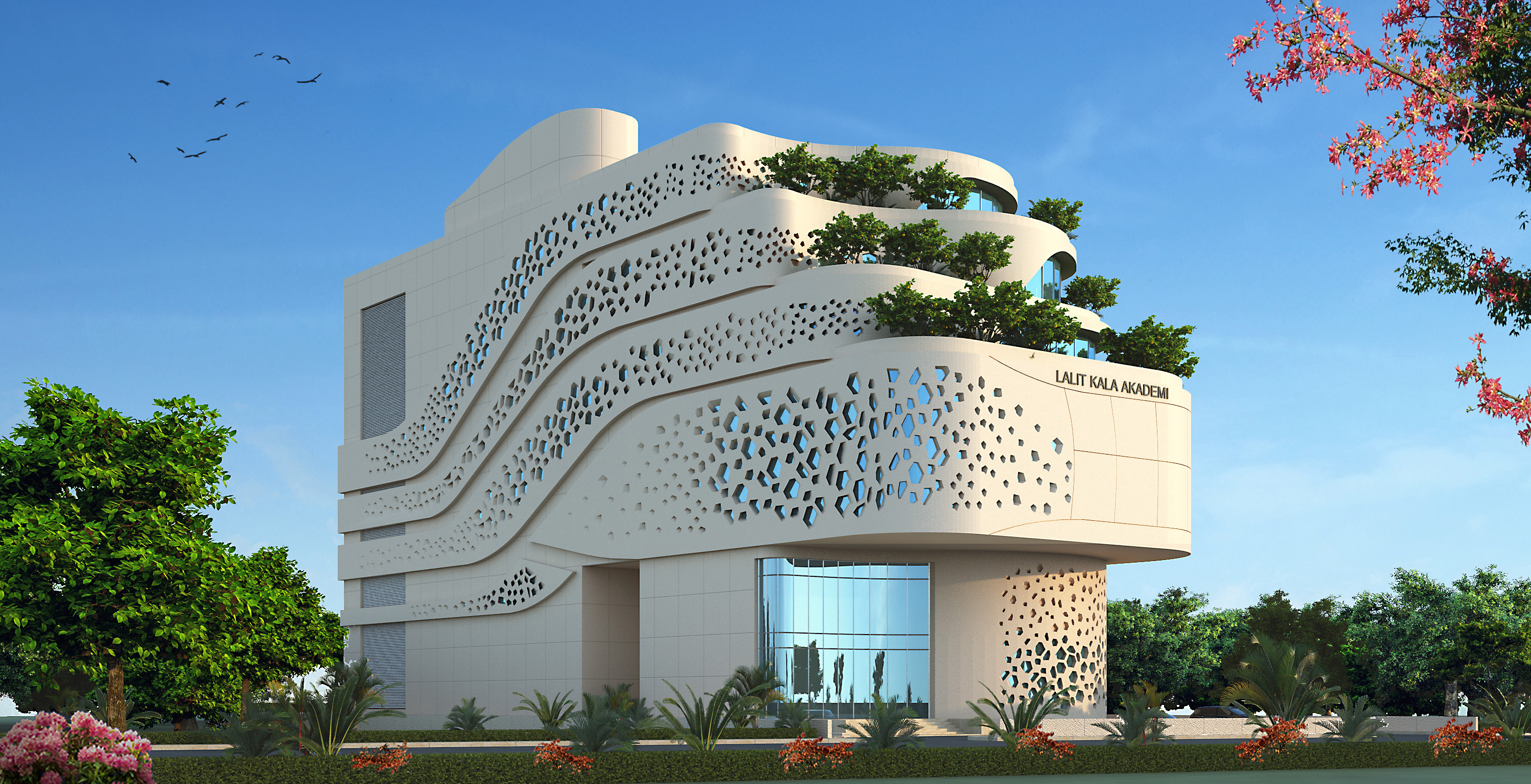
28 December 2024 / Sakshi Mathur
Parametric Perfection
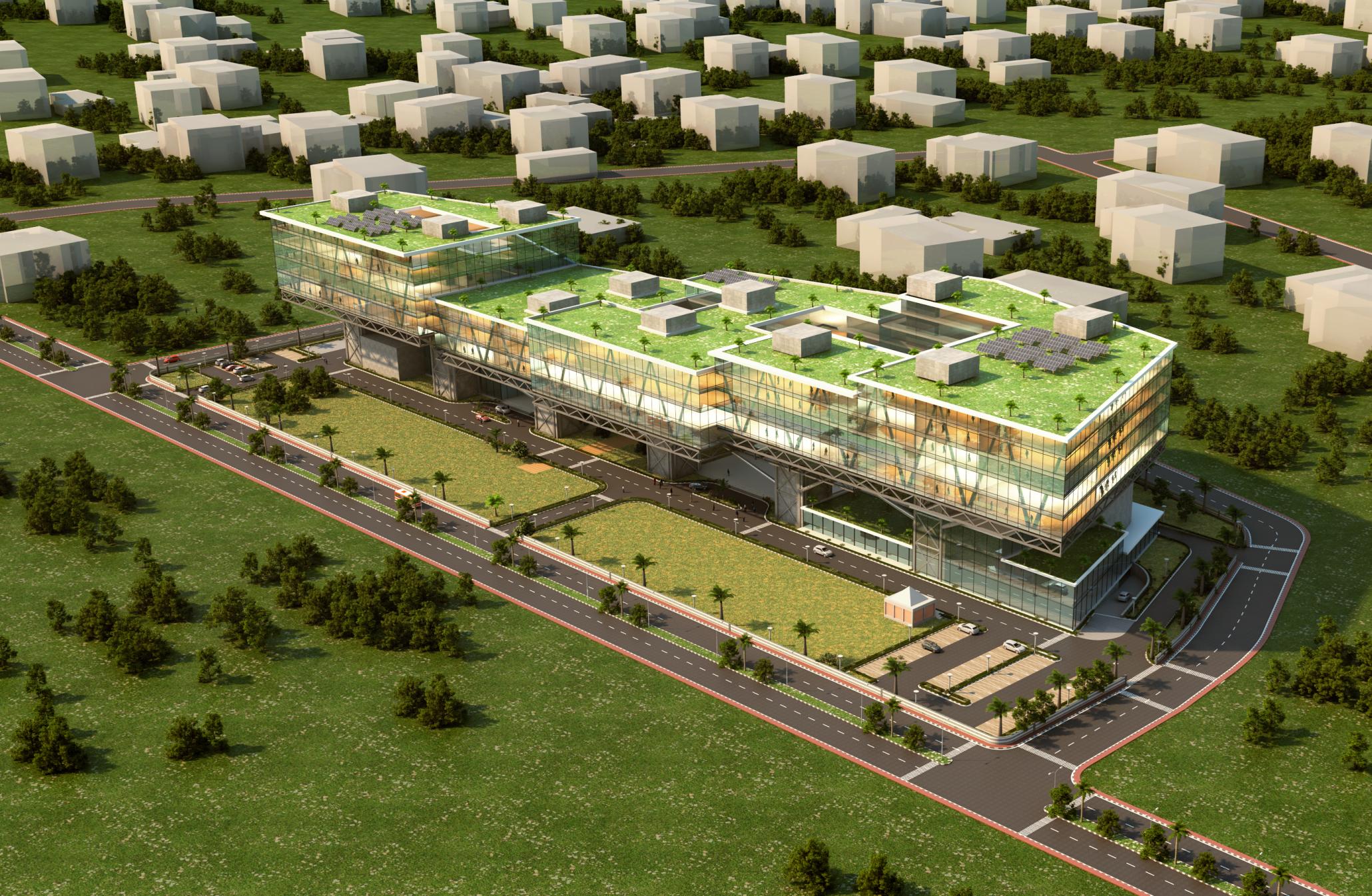
20 November 2024 / Annkit Kummar
Bold cantilevers, greener horizons
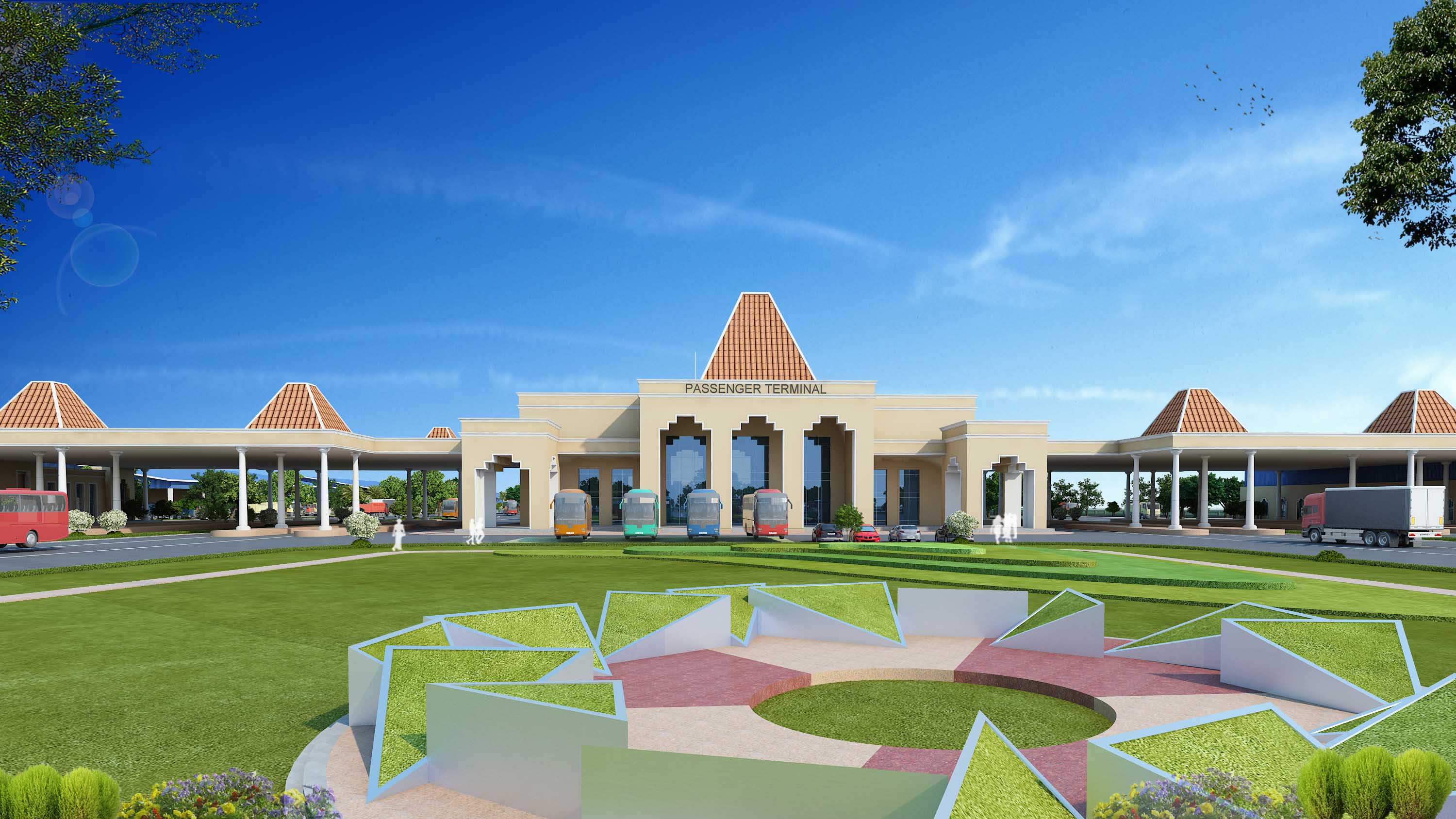
28 January 2025 / Annkit Kummar
Redefining Border Crossings: A State-of-the-Art Land Port Terminal
06 June 2025 / Annkit Kummar
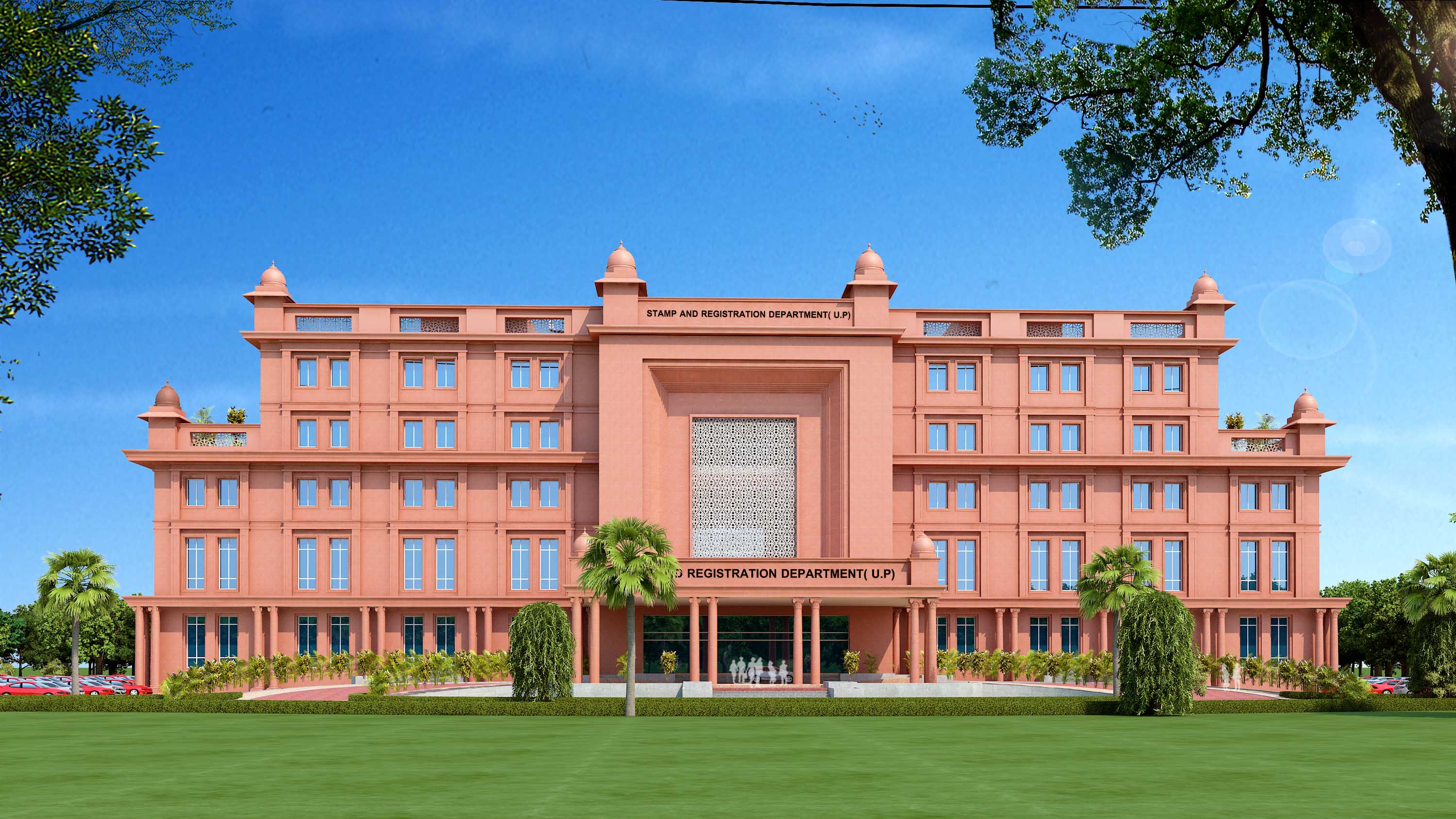
Stamping a New Era: Lucknow’s Upcoming HQ Stamp and Registration Bhawan
07 June 2025 / Annkit Kummar
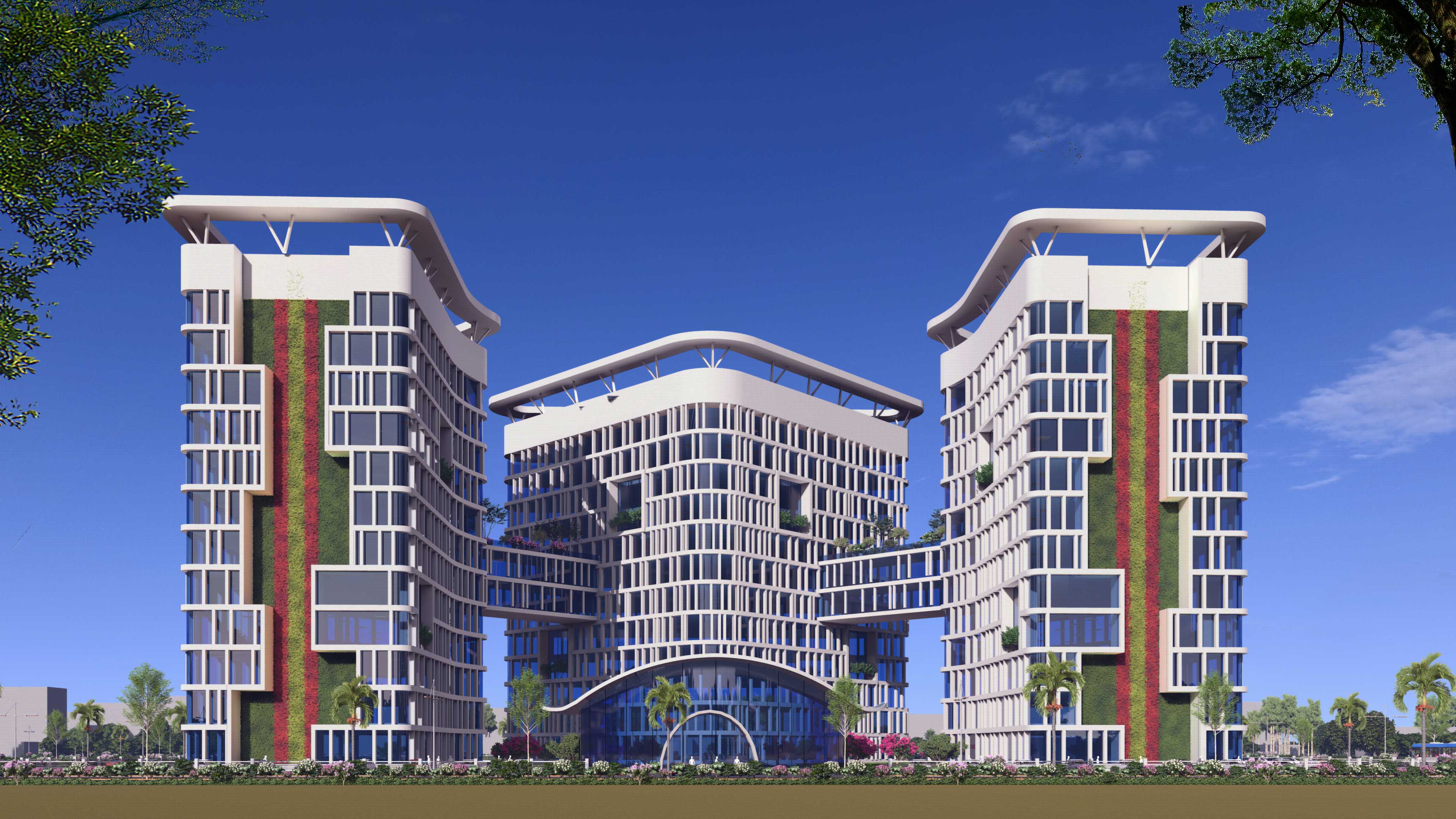
Redefining Workspaces: The Futuristic IT Tower
09 June 2025 / Annkit Kummar
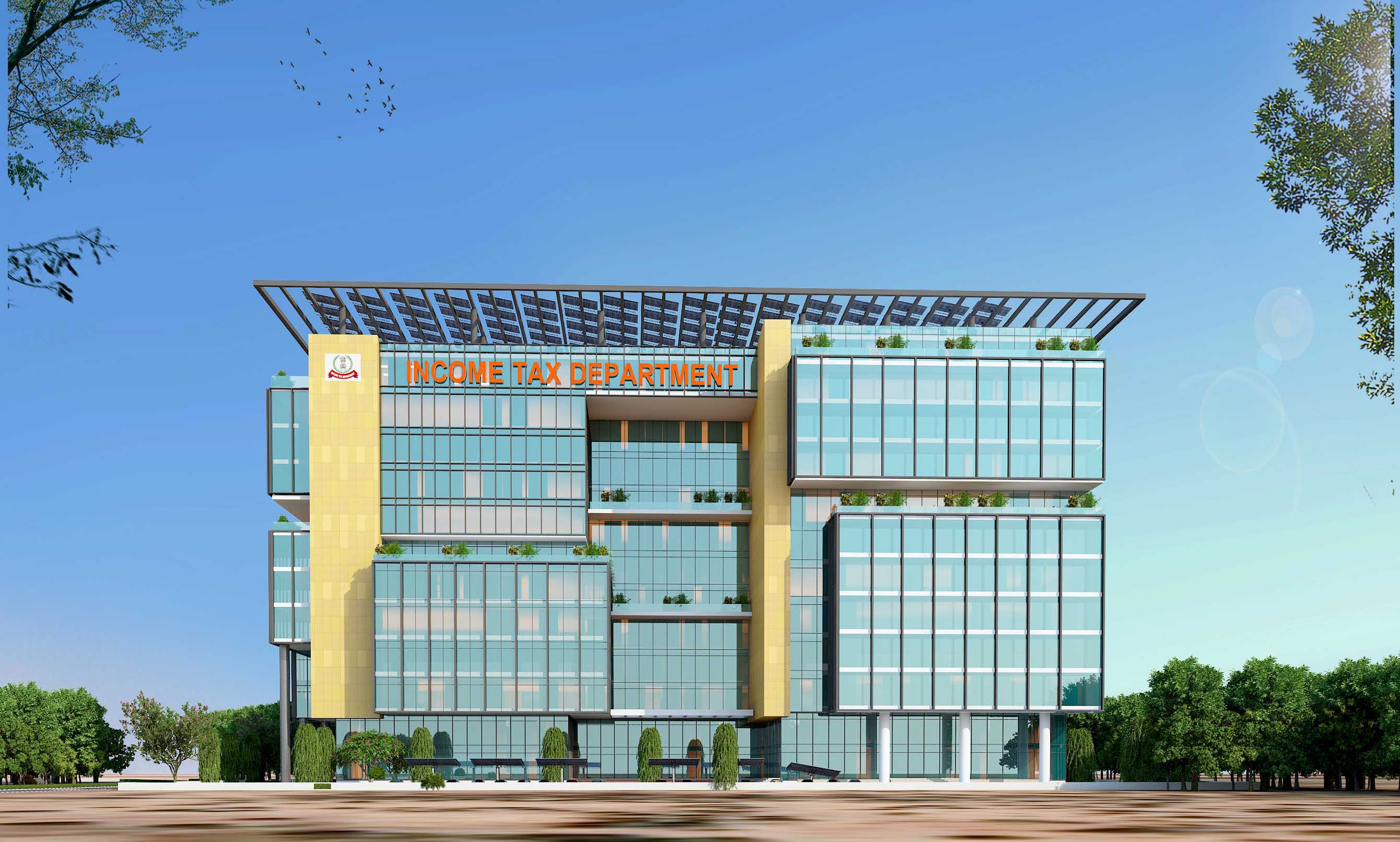
Modern Governance, Engineered: Income Tax Office, Bangalore

13 June 2025 / Annkit Kummar
Justice Reimagined: The Integrated Court Complex of Mahoba
.jpg)
16 June 2025 / Annkit Kummar
Fossils, Forests, and Futurism: A Museum Designed to Inspire

18 June 2025 / Annkit Kummar
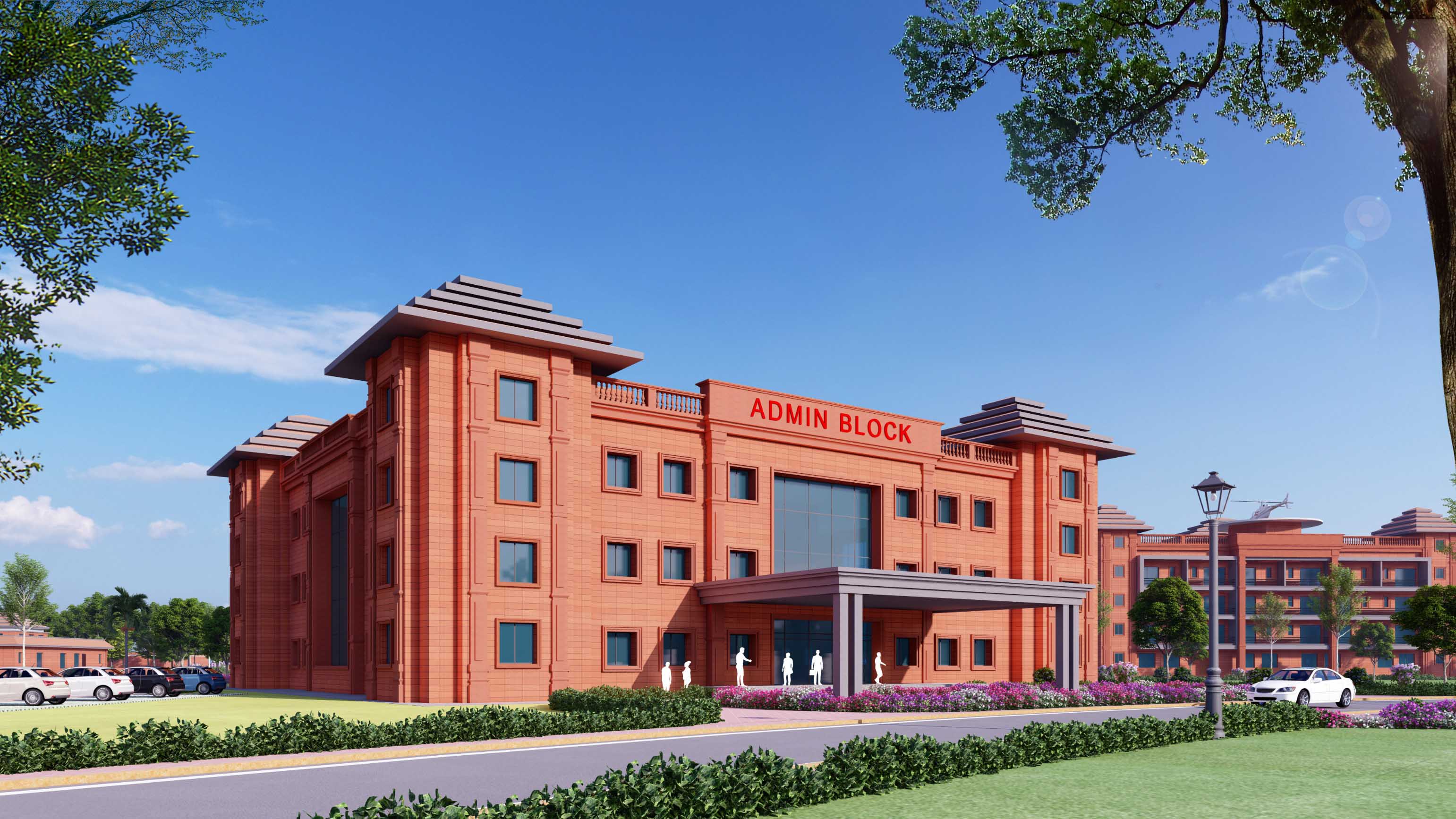
Steel, Skill, and Sustainability: The Architecture Behind India's IIS Vision
23 June 2025 / Annkit Kummar
Powering Progress: NLCIL’s Integrated Township to Transform Sambalpur’s Landscape
24 June 2025 / Annkit Kummar
Designing for Dignity and Recovery: How Patient-Centric Architecture Shapes the New OIL Hospital, Duliajan
25 June 2025 / Annkit Kummar
A Landmark in Banking Infrastructure: Bank of India's Regional Headquarters at Lucknow
27 June 2025 / Annkit Kummar
Fortifying Duty with Dignity: 49th PAC Battalion Campus, Greater Noida
15 September 2025 / Annkit Kummar
Income Tax Office Bhopal Secures GRIHA-5 Star Rating: A Beacon of Sustainable Governance
.jpg)
22 September 2025 / Annkit Kummar
Building the Future: Integrated Township at Raghunathpur Thermal Power Station (RTPS)
23 September 2025 / Annkit Kummar
Building Beyond Power: A Sustainable Township at Jawaharpur
19 November 2025 / Annkit Kummar
Shaping Future-Ready Learning Environments in the North-East: Inside ARCH-EN DESIGN’s Three JNV Campus Masterplans
06 December 2025 / Annkit Kummar
Justice by Design: Inside the Vision for the Integrated Court Complex of Hapur
07 March 2026 / Annkit Kummar
Dinosaur Fossil National Park
27 July 2026 / Annkit Kummar