
International Potato Centre, Agra
- 07 March 2026
A Research Campus Rooted in Landscape
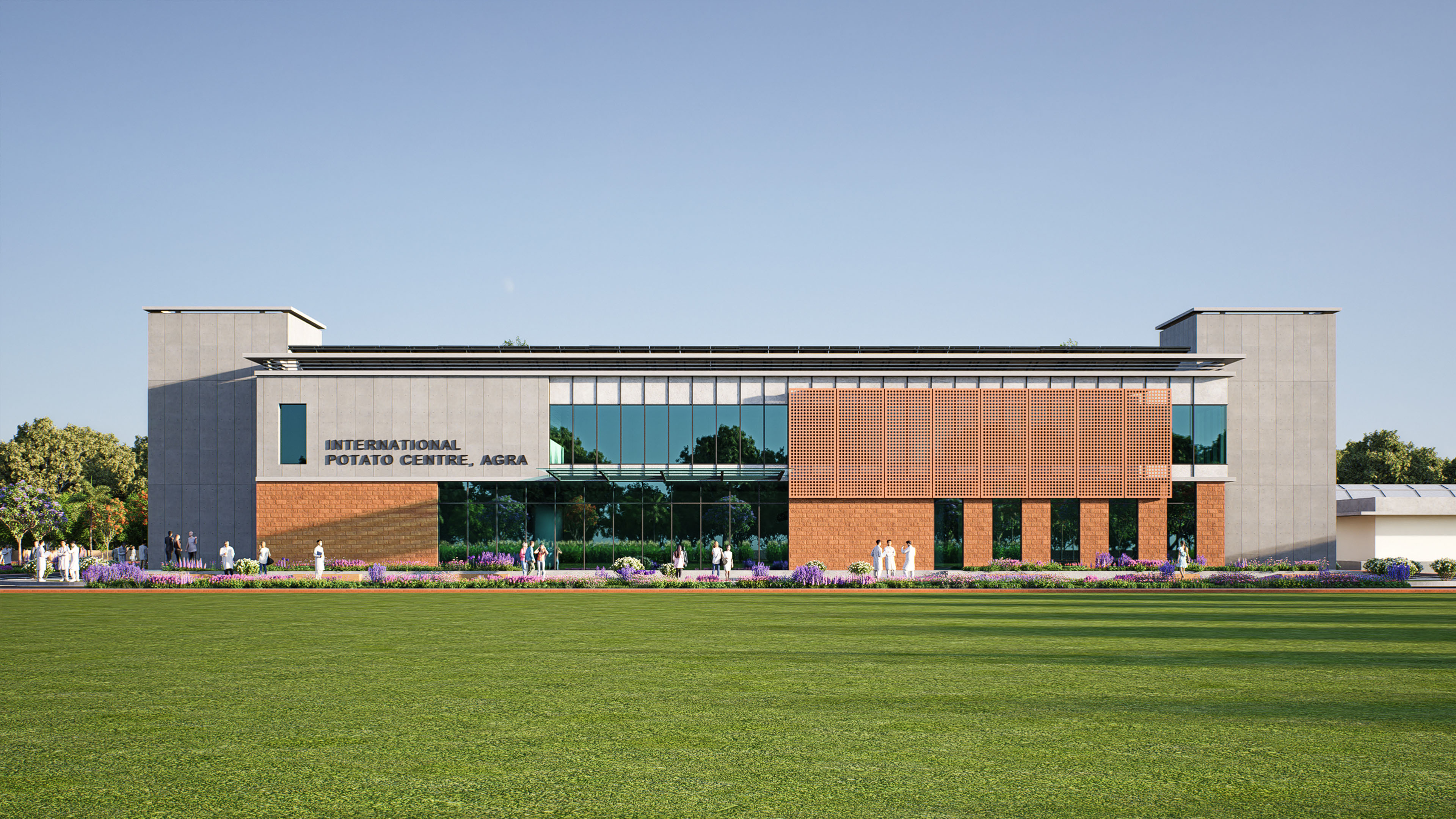
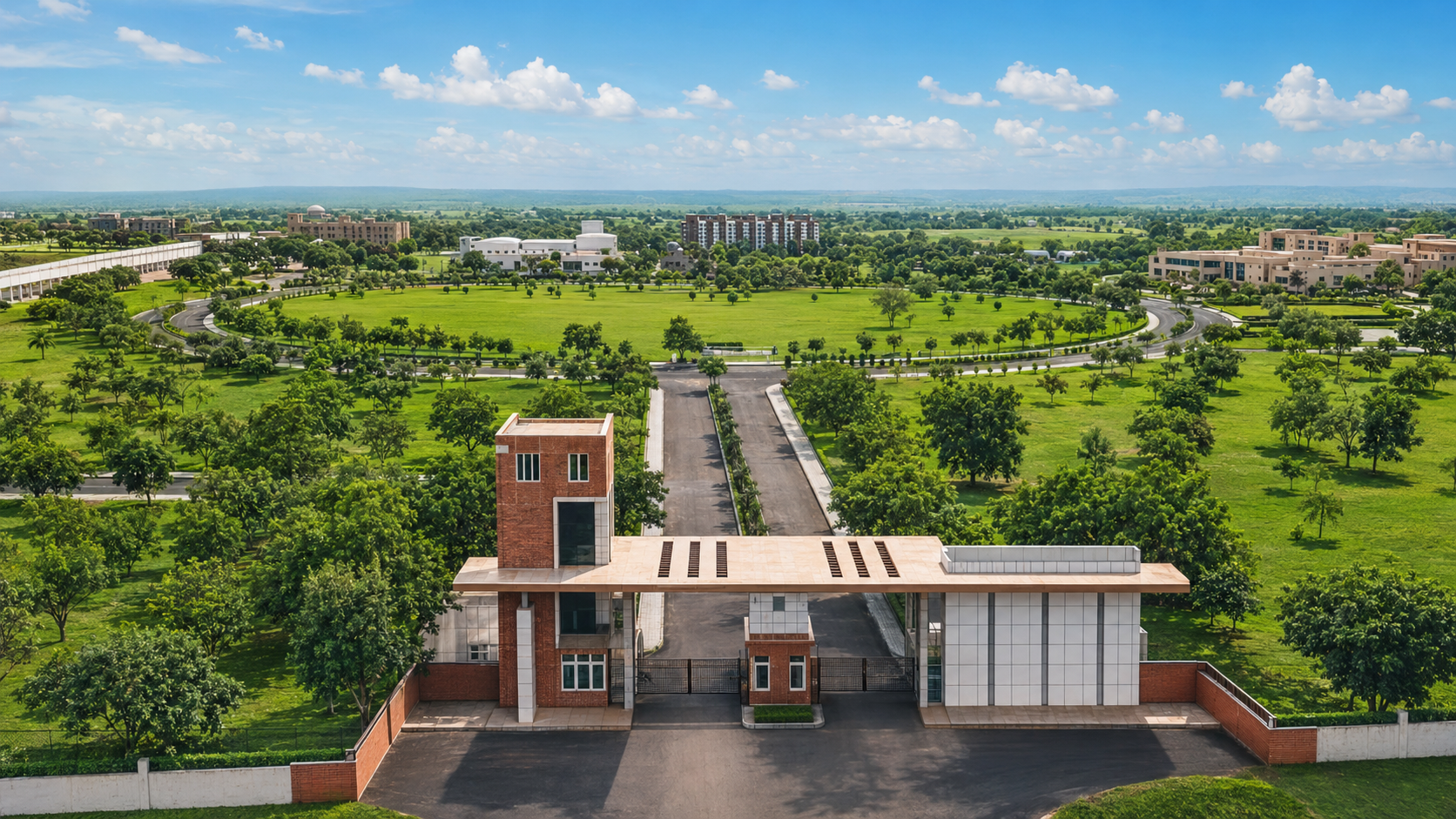
The International Potato Centre (CIP) – South Asia Regional Centre in Agra, Uttar Pradesh has been envisioned as a landscape-embedded research campus where agriculture, science, and environment operate as a unified system. The project aims to support advanced research on potato, sweet potato, and tuber crops while strengthening food and nutrition security across South Asia. As part of the global CGIAR research network, the centre will serve as a critical hub connecting international scientific knowledge with regional agricultural practices.

Located near Keetham Lake within the Sur Sarovar
ecological zone, the site is defined by a sensitive natural landscape
influenced by the Yamuna river system and wetland ecosystems. This ecological
context became the primary driver for the planning approach. Rather than
imposing architecture on the site, the design strategy begins with the
landscape—ensuring that research infrastructure coexists with biodiversity
corridors, agricultural land, and the broader ecological system surrounding the
campus.
The concept for the
campus is guided by the idea of “Rooted
in Land, Scaling Knowledge.” Laboratories, polyhouses, aeroponic
facilities, and experimental fields are organized as an integrated research
ecosystem. This allows scientific research, crop experimentation, and
agricultural production to function together, creating a seamless continuum
between laboratory innovation and real-world agricultural application.
The masterplan
organizes the campus into a series of interconnected zones including advanced
laboratories, controlled cultivation facilities such as greenhouses and
polyhouses, open research farmland, cold storage and post-harvest
infrastructure, and residential and social spaces for scientists and
researchers. This integrated planning ensures that research processes—from
genetic studies to field trials and crop processing—can occur within a single
coordinated environment.
Architecturally,
the project adopts a restrained and functional language that prioritizes
clarity, adaptability, and climate responsiveness. The buildings are designed
to support scientific operations efficiently while maintaining a strong visual
and spatial relationship with the surrounding agricultural landscape. Rather
than iconic form-making, the architecture focuses on creating a durable
research infrastructure that will remain relevant as agricultural technologies
evolve over time.
Through this project, ARCH-EN DESIGN has sought to create a research campus where architecture acts as an enabler of agricultural innovation. By integrating laboratories, farming systems, and ecological landscapes into a cohesive framework, the International Potato Centre in Agra represents a forward-looking model for scientific campuses addressing the future of food and sustainable agriculture.


Rooted in land, scaling knowledge — a research campus designed to connect science, agriculture, and landscape.
Related Post
14 January 2025 / Annkit Kummar
A Synthesis of Heritage and Modernity in Institutional Architecture - Atal Bihari Vajpayee Medical University
14 January 2025 / Sakshi Mathur
The Power of Net Zero: Transforming DNLU Jabalpur into a Sustainable Icon
06 July 2025 / Annkit Kummar
A Beacon of Excellence: Atal Residential School, shaping the leaders of tomorrow in Lucknow
15 December 2024 / Annkit Kummar
A Green Future: UPRERA’s Eco-Friendly Features Including Rainwater Harvesting, Solar Panels, and Energy-Efficient Systems
14 December 2024 / Annkit Kummar
Dynamic Energy-Efficient Architecture
14 January 2025 / Annkit Kummar
A state-of-the-art convention center, home to a 4,000-capacity auditorium and limitless possibilities
20 January 2025 / Annkit Kummar
Observational Tubes Gazing into Infinity: Where Earth Meets the Cosmos
01 June 2024 / Annkit Kummar
From Buddha's Path to Academic Heights
24 January 2025 / Annkit Kummar
Designed to inspire, crafted for comfort – the new residences at IIT Kanpur
27 June 2025 / Annkit Kummar
Setting New Standards for Roadside Infrastructure
26 January 2025 / Annkit Kummar
Designing Tranquility: A Buddhist-Inspired Campus in Kushinagar
15 December 2023 / Annkit Kummar
A Legacy Reimagined: Where Museums, War Memorials, and Modern Attractions Unite
06 June 2025 / Annkit Kummar
Vitta Bhawan: Lucknow’s First GRIHA 5-Star Government Landmark

17 June 2025 / Annkit Kummar
Modern, Resilient, Strategic: The Story of Hapur Police Line’s Urban Reinvention
27 June 2025 / Annkit Kummar
Judges Enclave, Patna – A Harmonious Fusion of Security, Serenity, and Sophistication
05 July 2025 / Annkit Kummar
A Campus of Calm: Where Design Meets Stillness
11 June 2025 / Annkit Kummar
Tata’s Quiet Revolution in Bihar: The Design of HBCH&RC Muzaffarpur
06 December 2025 / Annkit Kummar
Bhakt Niwas – Maharashtra Bhavan: Maharashtra’s Devotional Offering to Ayodhya
07 March 2026 / Annkit Kummar
International Potato Centre, Agra
09 April 2026 / Annkit Kummar
Apollo ISPAT Post Graduate Institute and a 300 Bedded Super Specialty Hospital
02 May 2026 / Annkit Kummar
A Diplomatic Gateway
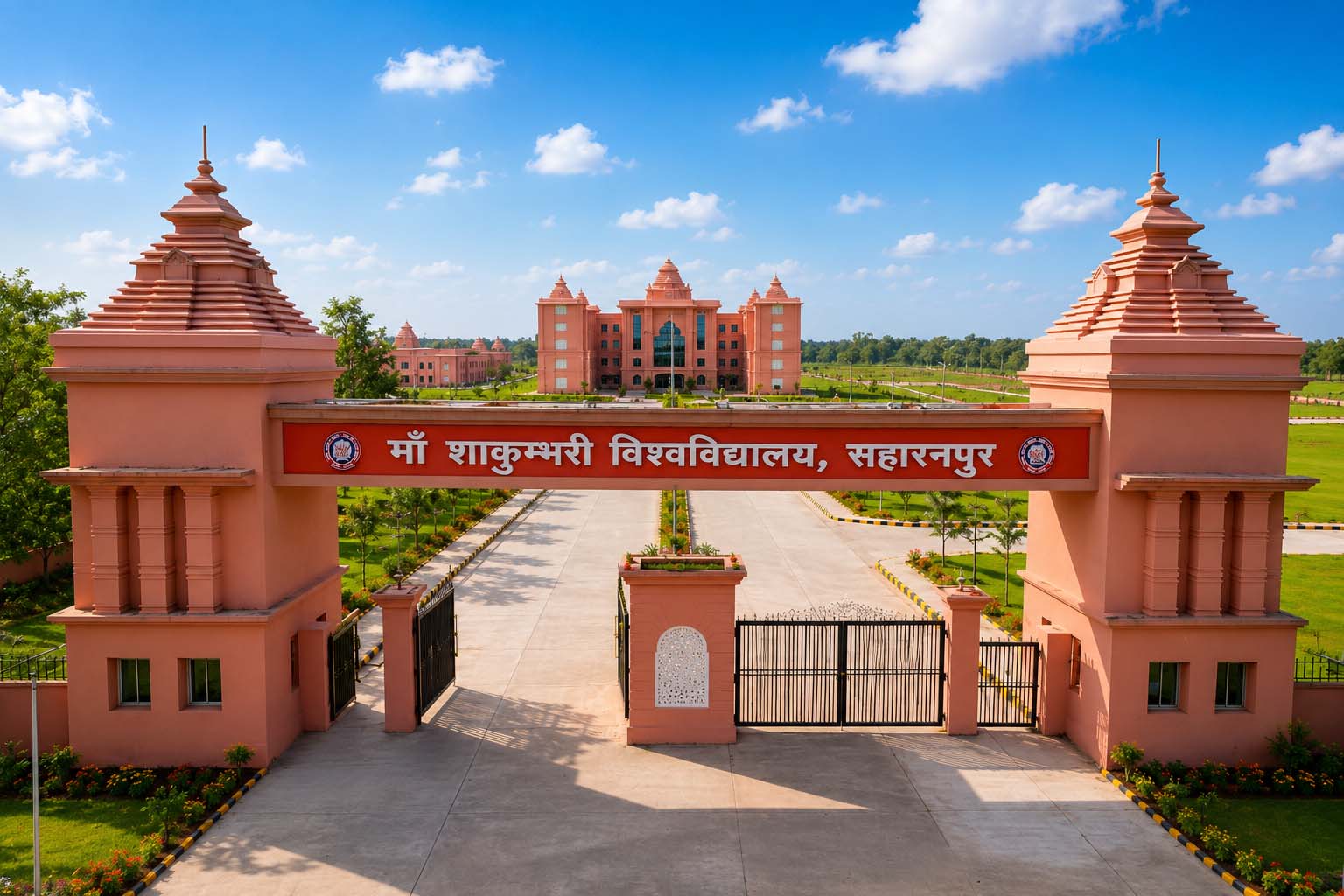
27 June 2026 / Annkit Kummar
Maa Shakumbhari University Saharanpur
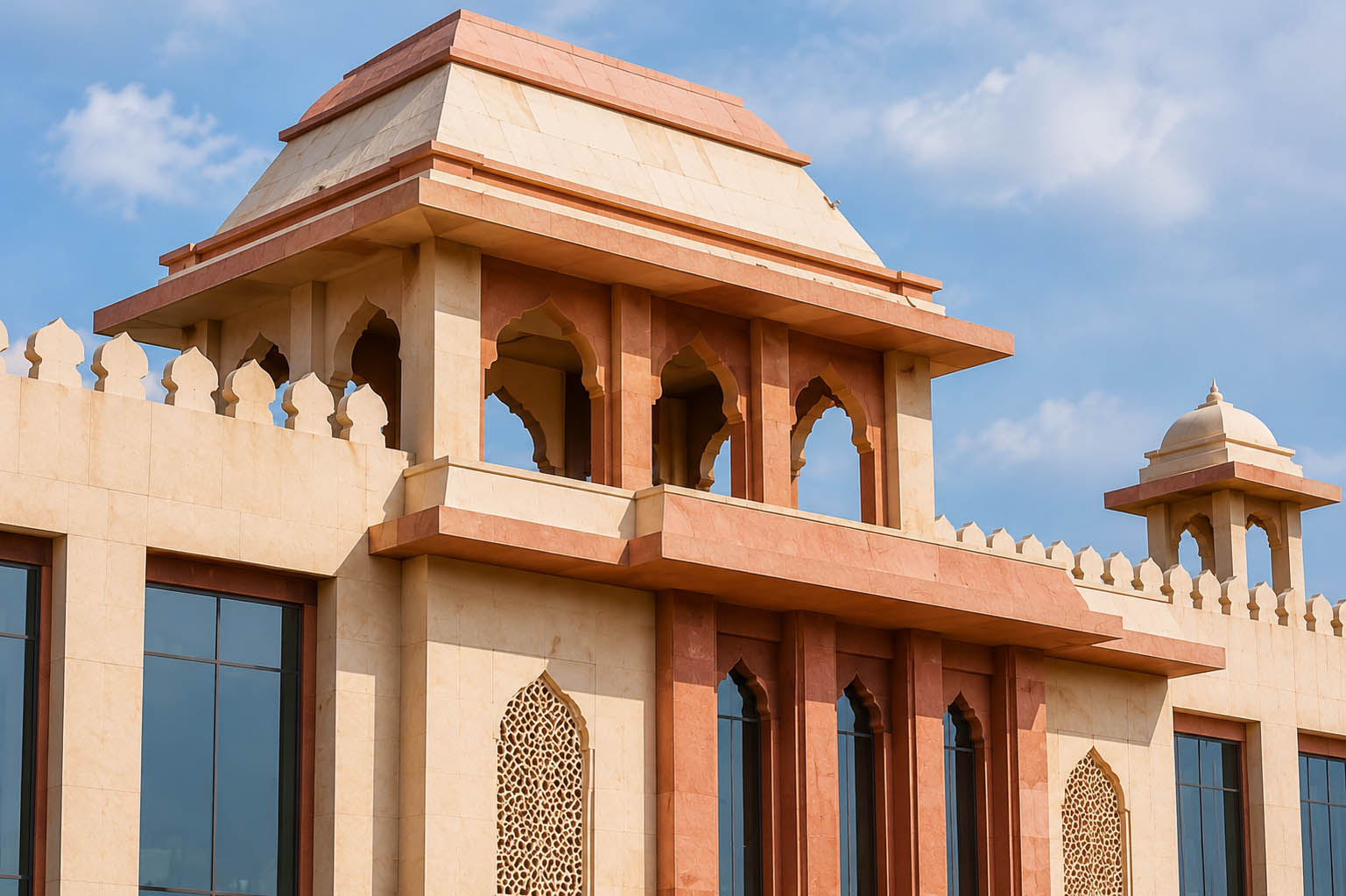
27 June 2026 / Annkit Kummar
Pandit Deendayal Upadhyay Government Medical College, Churu
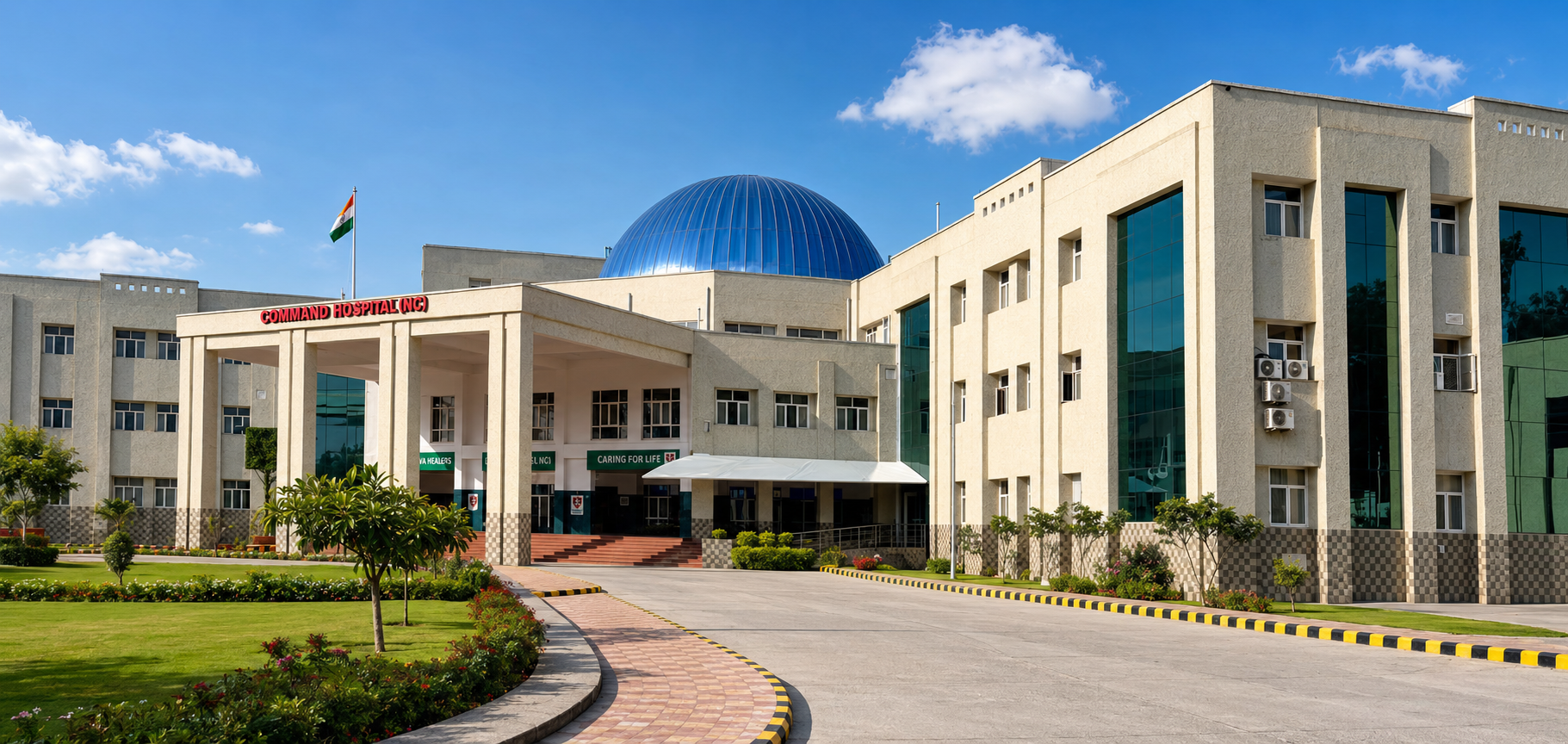
22 July 2026 / Annkit Kummar
Command Hospital Udhampur | 850-Bed Defence Healthcare Campus
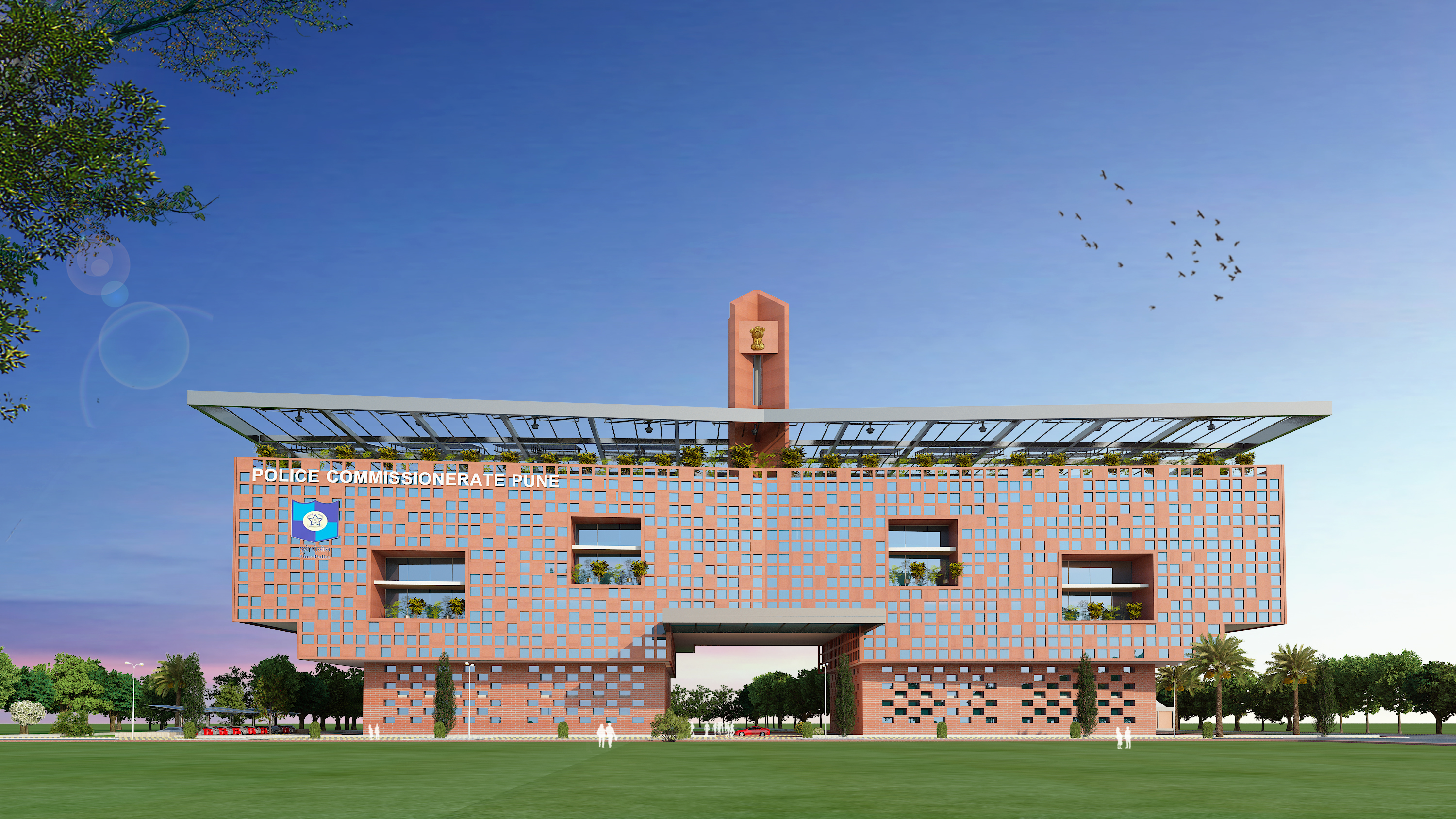
11 April 2026 / Annkit Kummar
A new identity for civic architecture—bold, responsive, and unmistakably institutional.
20 July 2026 / Annkit Kummar
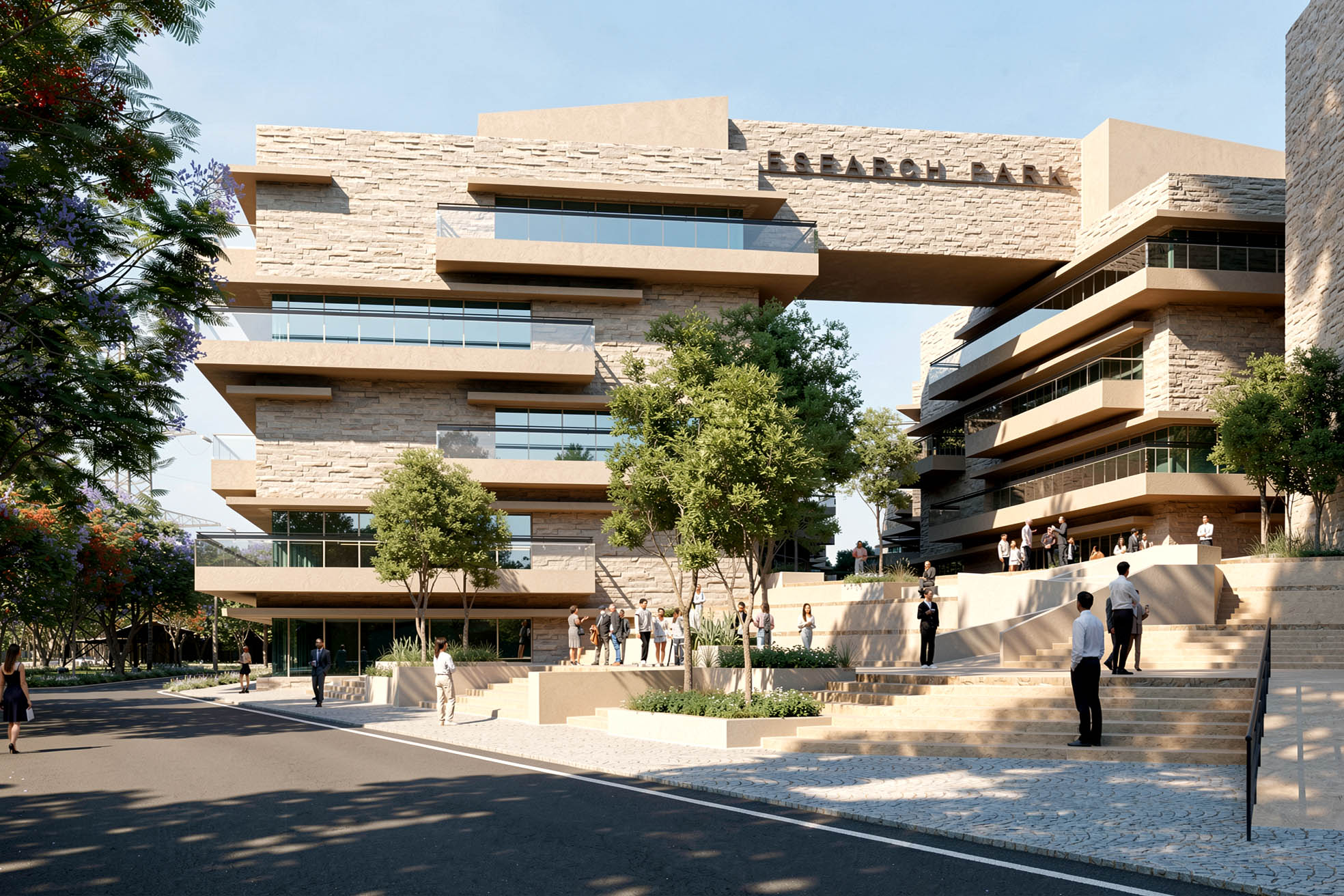
Research Park Architecture: A Future-Ready Ecosystem for Innovation
22 August 2026 / ANNKIT KUMMAR
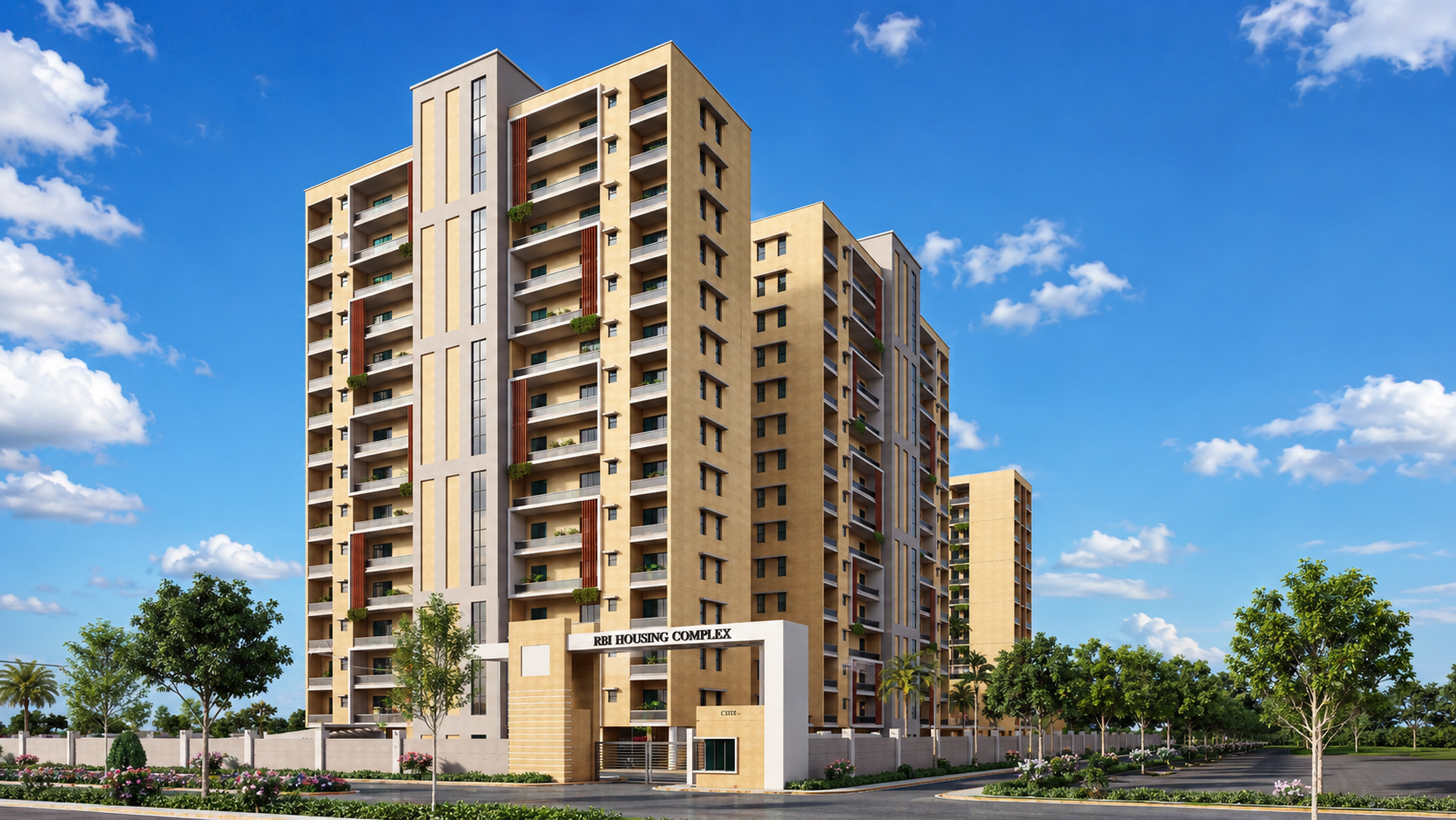
RBI Officers’ Residential Complex, Lucknow
14 January 2025 / Annkit Kummar
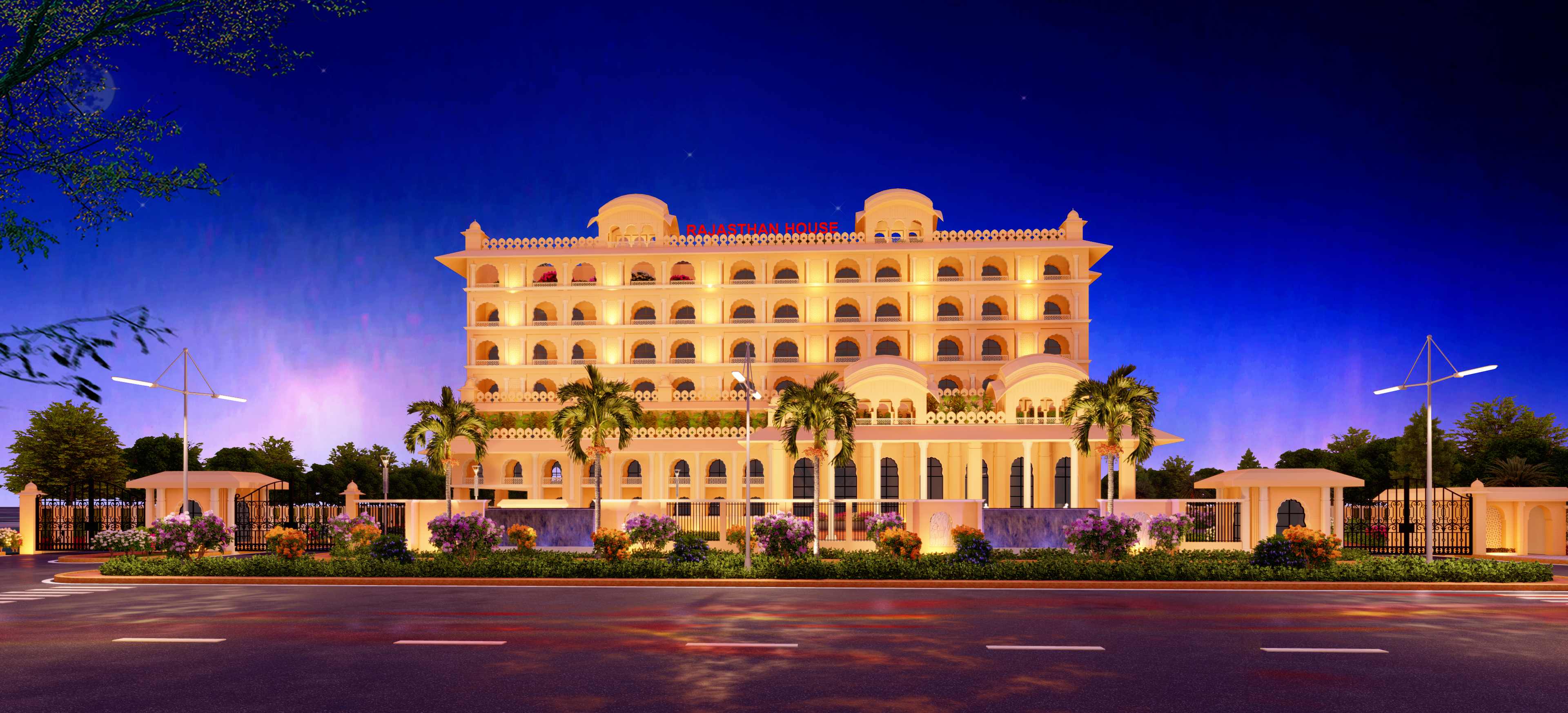
Reimagining Hospitality: The Rajasthan State Guest House
14 January 2025 / Annkit Kummar
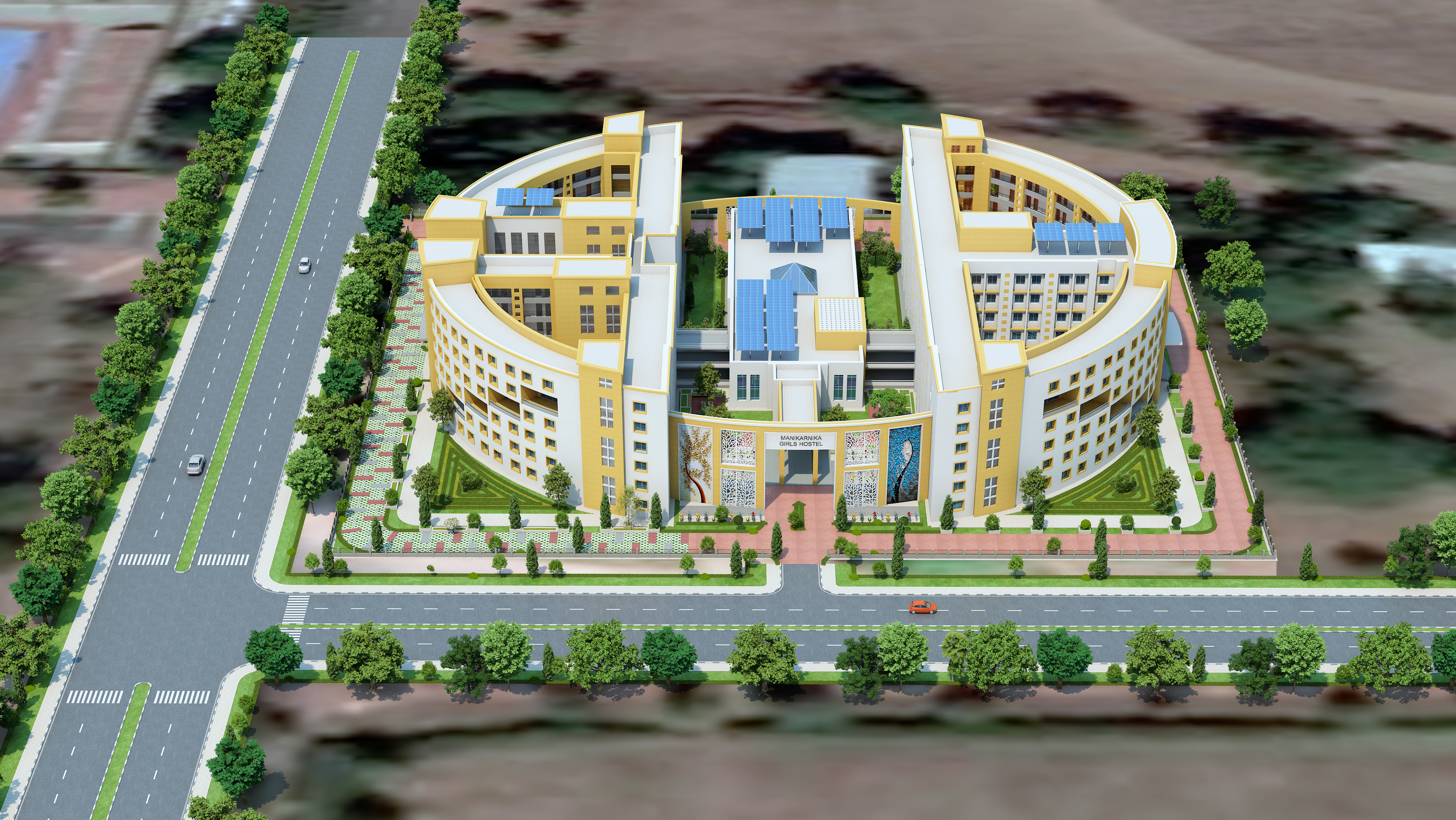
Fostering Community, Inspiring Growth: New Hostel at IISER Bhopal
14 January 2025 / Annkit Kummar
2000-Capacity Auditorium at Atal Medical University: A Landmark for Education and Innovation
28 December 2024 / Sakshi Mathur
Parametric Perfection
20 November 2024 / Annkit Kummar
Bold cantilevers, greener horizons
28 January 2025 / Annkit Kummar
Redefining Border Crossings: A State-of-the-Art Land Port Terminal
06 June 2025 / Annkit Kummar
Stamping a New Era: Lucknow’s Upcoming HQ Stamp and Registration Bhawan
07 June 2025 / Annkit Kummar
Redefining Workspaces: The Futuristic IT Tower
09 June 2025 / Annkit Kummar
Modern Governance, Engineered: Income Tax Office, Bangalore

13 June 2025 / Annkit Kummar
Justice Reimagined: The Integrated Court Complex of Mahoba
.jpg)
16 June 2025 / Annkit Kummar
Fossils, Forests, and Futurism: A Museum Designed to Inspire

18 June 2025 / Annkit Kummar
Steel, Skill, and Sustainability: The Architecture Behind India's IIS Vision
23 June 2025 / Annkit Kummar
Powering Progress: NLCIL’s Integrated Township to Transform Sambalpur’s Landscape
24 June 2025 / Annkit Kummar
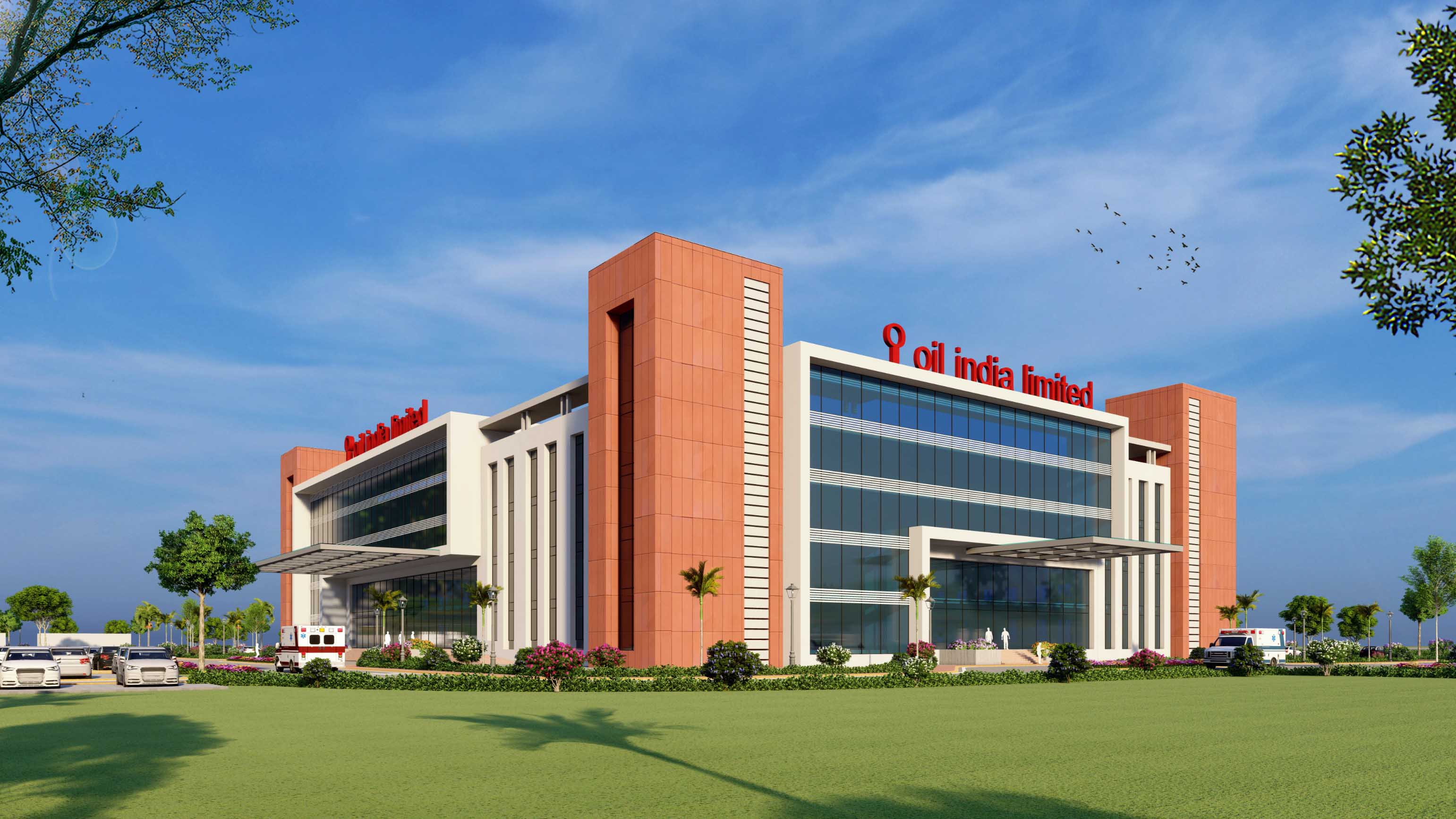
Designing for Dignity and Recovery: How Patient-Centric Architecture Shapes the New OIL Hospital, Duliajan
25 June 2025 / Annkit Kummar
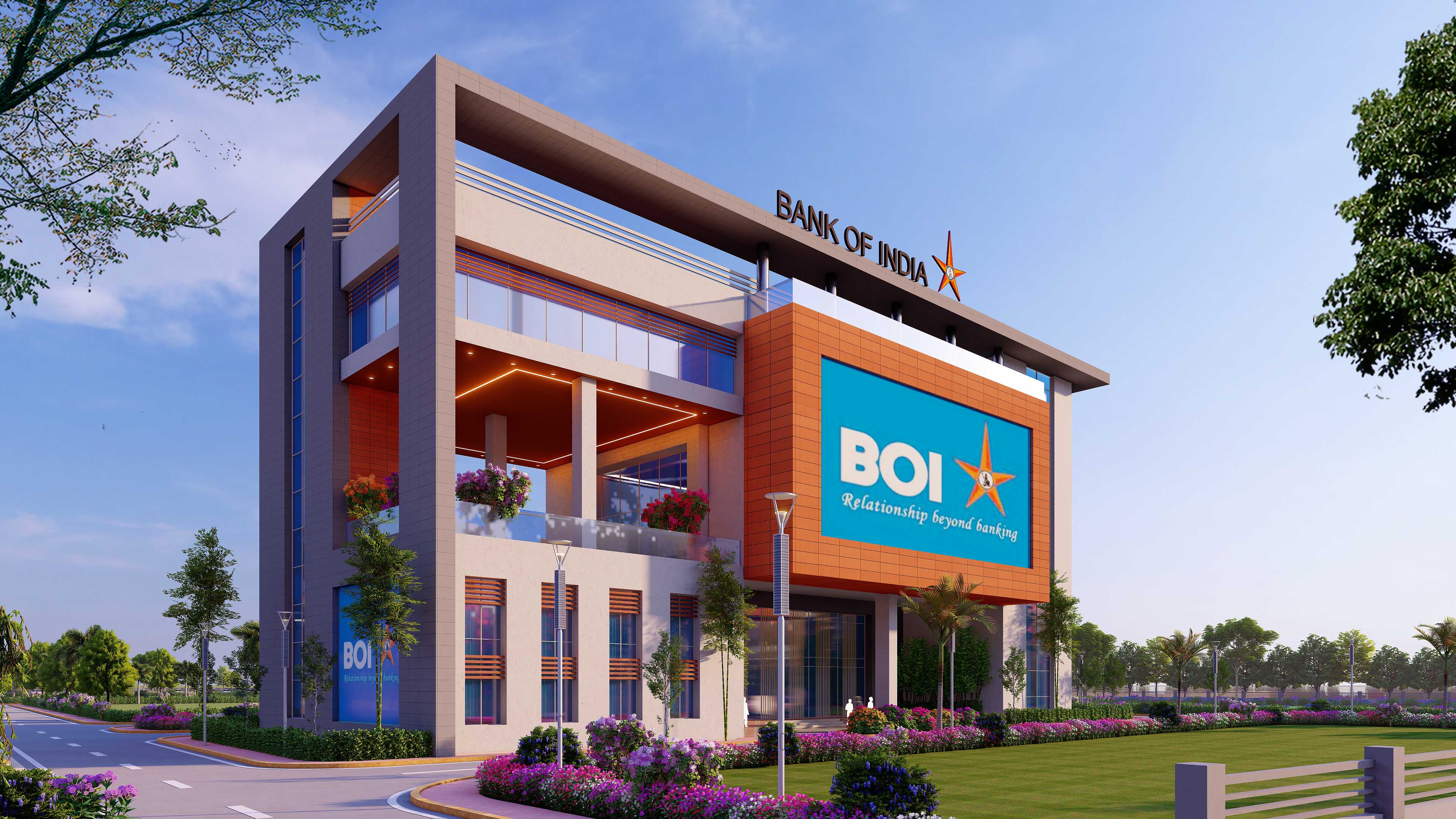
A Landmark in Banking Infrastructure: Bank of India's Regional Headquarters at Lucknow
27 June 2025 / Annkit Kummar
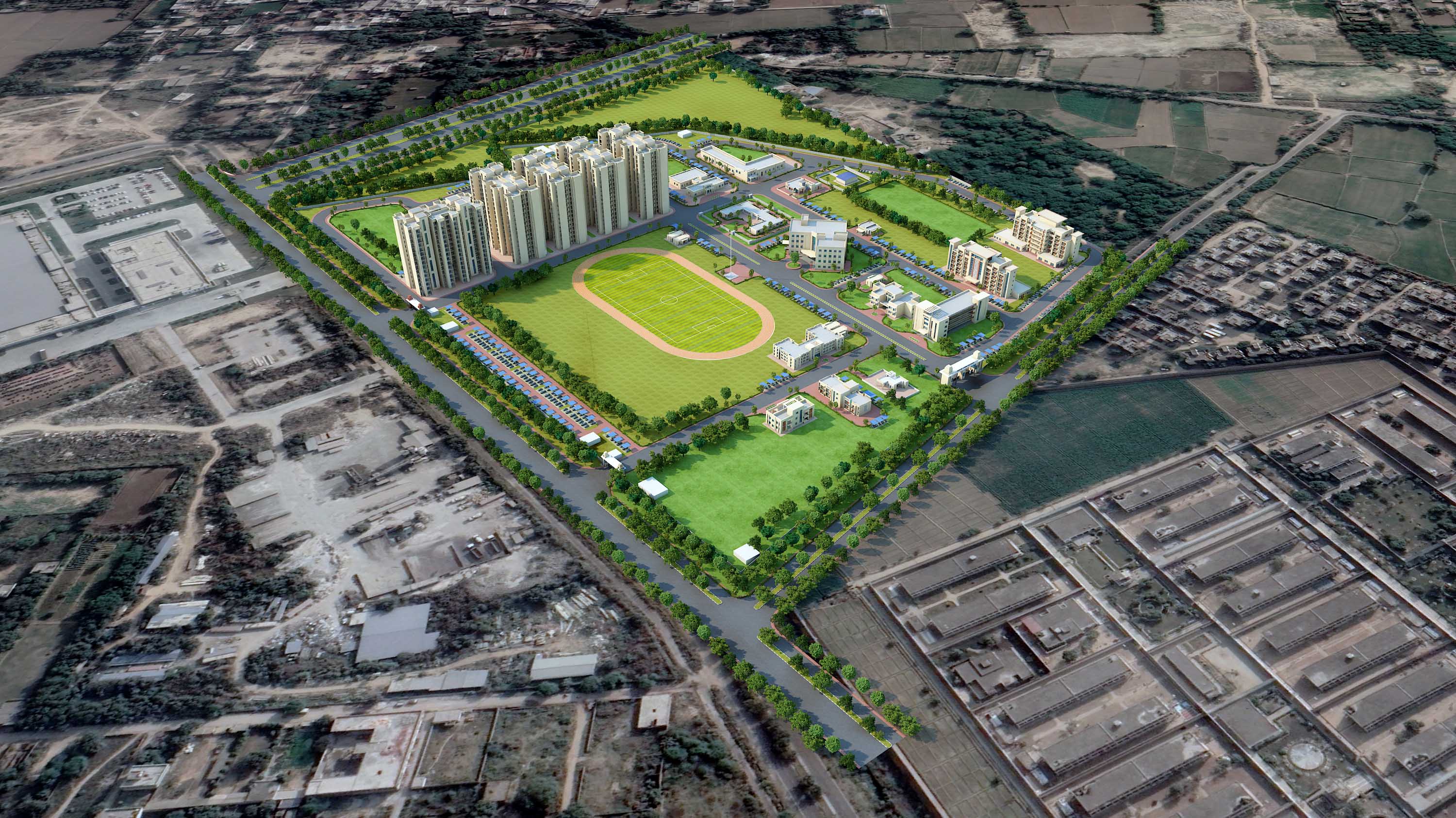
Fortifying Duty with Dignity: 49th PAC Battalion Campus, Greater Noida
15 September 2025 / Annkit Kummar
Income Tax Office Bhopal Secures GRIHA-5 Star Rating: A Beacon of Sustainable Governance
.jpg)
22 September 2025 / Annkit Kummar
Building the Future: Integrated Township at Raghunathpur Thermal Power Station (RTPS)
23 September 2025 / Annkit Kummar
Building Beyond Power: A Sustainable Township at Jawaharpur
19 November 2025 / Annkit Kummar
Shaping Future-Ready Learning Environments in the North-East: Inside ARCH-EN DESIGN’s Three JNV Campus Masterplans
06 December 2025 / Annkit Kummar
Justice by Design: Inside the Vision for the Integrated Court Complex of Hapur
07 March 2026 / Annkit Kummar
Dinosaur Fossil National Park
27 July 2026 / Annkit Kummar