
A Diplomatic Gateway
- 02 May 2026
In an increasingly interconnected world, architecture is no longer just about buildings—it is about interfaces. It operates between governance and citizens, between local identity and global presence, and between security and openness. Institutional architecture, particularly that which represents national or international engagement, carries a deeper responsibility. It must embody trust, efficiency, and permanence while remaining accessible and humane. Such buildings are not merely administrative containers—they are civic symbols that define how a city presents itself to the world.

The idea of a contemporary civic-institutional
building has evolved significantly. Instead of fragmented offices dispersed
across locations, there is a growing emphasis on consolidating multiple
functions into a unified architectural identity. This approach creates a
singular, legible presence within the city—one that acts as a gateway rather
than just a destination. By integrating diverse administrative functions under
one coherent system, architecture transforms into a platform for interaction, a
space where governance becomes visible, understandable, and approachable.
Urban presence
plays a crucial role in shaping this identity. Institutional buildings are
often located along major arterial roads or high-visibility zones, making them
part of the city’s visual and spatial memory. The challenge is to balance
openness with control. A well-designed response ensures clear frontage and
accessibility while maintaining layered security. One of the most powerful
architectural gestures in this context is the creation of a permeable ground
plane—lifting the building above grade to allow openness below. This strategy
establishes a civic threshold that is inviting yet disciplined, transparent yet
secure, enabling the building to engage with the public realm without
compromising its institutional integrity.
Form, in such
architecture, is not about dramatic expression but about clarity and meaning.
Strong geometric compositions—often defined by framed volumes, balanced masses,
and articulated horizontal or vertical bands—help communicate institutional
stability and order. These forms create visual hierarchy and spatial logic,
allowing users to intuitively understand the building. The architecture becomes
self-explanatory, reducing complexity while reinforcing identity. It is this
quiet confidence, rather than flamboyance, that gives institutional buildings
their iconic presence.
Climate
responsiveness is another fundamental driver of design. In regions with
composite climates, where extreme summers, humidity, and seasonal variations
are common, architecture must perform efficiently without over-reliance on
mechanical systems. Passive design strategies such as deep recessed windows,
vertical shading fins, optimized glazing, and extended roof overhangs are not
merely technical solutions—they shape the aesthetic and spatial character of
the building. These elements reduce heat gain, enhance daylight, and improve
comfort, allowing the architecture to respond intelligently to its environment.
Materiality further
strengthens the connection between architecture and context. Instead of
replicating historical styles, contemporary institutional design often draws
from regional traditions in a more abstract manner. Earth-toned materials,
structural clarity, and rhythmic facades reflect local heritage without
resorting to superficial ornamentation. This approach creates buildings that
are both rooted and modern—spaces that resonate with their surroundings while maintaining
a global architectural language. The result is a timeless expression that
avoids both nostalgia and anonymity.
One of the most
nuanced challenges in institutional architecture is balancing transparency with
security. These buildings must operate within strict safety protocols, yet they
cannot appear closed or inaccessible. The solution lies in layered
design—integrating security seamlessly into spatial planning rather than
expressing it as barriers. Transparent circulation zones, controlled entry
sequences, and solid base volumes help establish this balance. The building
communicates openness in its experience while maintaining robustness in its
operation, creating an environment that is both reassuring and efficient.
Technology and
future readiness are equally critical in shaping modern institutional spaces.
As administrative systems evolve and digital processes become central,
buildings must be designed for adaptability. Flexible floor plates, modular
systems, and integrated smart infrastructure ensure that the architecture can
respond to changing needs over time. Rather than being static, the building
becomes a dynamic framework—capable of evolving with its users and functions
without losing its core identity.
Ultimately, the
true success of institutional architecture lies in its ability to operate
quietly while standing powerfully. It manages complex systems, supports
governance, and facilitates public interaction without drawing attention to its
internal workings. At the same time, it projects confidence, stability, and
clarity through its form and presence. It becomes both background and
landmark—an everyday space with enduring significance.
The future of such architecture lies not in exaggerated iconography but in thoughtful synthesis. When urban responsiveness, climatic intelligence, cultural grounding, and technological foresight come together, the result is more than just a building. It becomes a statement—one that reflects the aspirations of a city and its connection to the larger world.


Designing Institutional Architecture that Connects Cities to the World
Related Post
14 January 2025 / Annkit Kummar
A Synthesis of Heritage and Modernity in Institutional Architecture - Atal Bihari Vajpayee Medical University
14 January 2025 / Sakshi Mathur
The Power of Net Zero: Transforming DNLU Jabalpur into a Sustainable Icon
06 July 2025 / Annkit Kummar
A Beacon of Excellence: Atal Residential School, shaping the leaders of tomorrow in Lucknow
15 December 2024 / Annkit Kummar
A Green Future: UPRERA’s Eco-Friendly Features Including Rainwater Harvesting, Solar Panels, and Energy-Efficient Systems
14 December 2024 / Annkit Kummar
Dynamic Energy-Efficient Architecture
14 January 2025 / Annkit Kummar
A state-of-the-art convention center, home to a 4,000-capacity auditorium and limitless possibilities
20 January 2025 / Annkit Kummar
Observational Tubes Gazing into Infinity: Where Earth Meets the Cosmos
01 June 2024 / Annkit Kummar
From Buddha's Path to Academic Heights
24 January 2025 / Annkit Kummar
Designed to inspire, crafted for comfort – the new residences at IIT Kanpur
27 June 2025 / Annkit Kummar
Setting New Standards for Roadside Infrastructure
26 January 2025 / Annkit Kummar
Designing Tranquility: A Buddhist-Inspired Campus in Kushinagar
15 December 2023 / Annkit Kummar
A Legacy Reimagined: Where Museums, War Memorials, and Modern Attractions Unite
06 June 2025 / Annkit Kummar
Vitta Bhawan: Lucknow’s First GRIHA 5-Star Government Landmark

17 June 2025 / Annkit Kummar
Modern, Resilient, Strategic: The Story of Hapur Police Line’s Urban Reinvention
27 June 2025 / Annkit Kummar
Judges Enclave, Patna – A Harmonious Fusion of Security, Serenity, and Sophistication
05 July 2025 / Annkit Kummar
A Campus of Calm: Where Design Meets Stillness
11 June 2025 / Annkit Kummar
Tata’s Quiet Revolution in Bihar: The Design of HBCH&RC Muzaffarpur
06 December 2025 / Annkit Kummar
Bhakt Niwas – Maharashtra Bhavan: Maharashtra’s Devotional Offering to Ayodhya
07 March 2026 / Annkit Kummar
International Potato Centre, Agra
09 April 2026 / Annkit Kummar
Apollo ISPAT Post Graduate Institute and a 300 Bedded Super Specialty Hospital
02 May 2026 / Annkit Kummar
A Diplomatic Gateway
27 June 2026 / Annkit Kummar
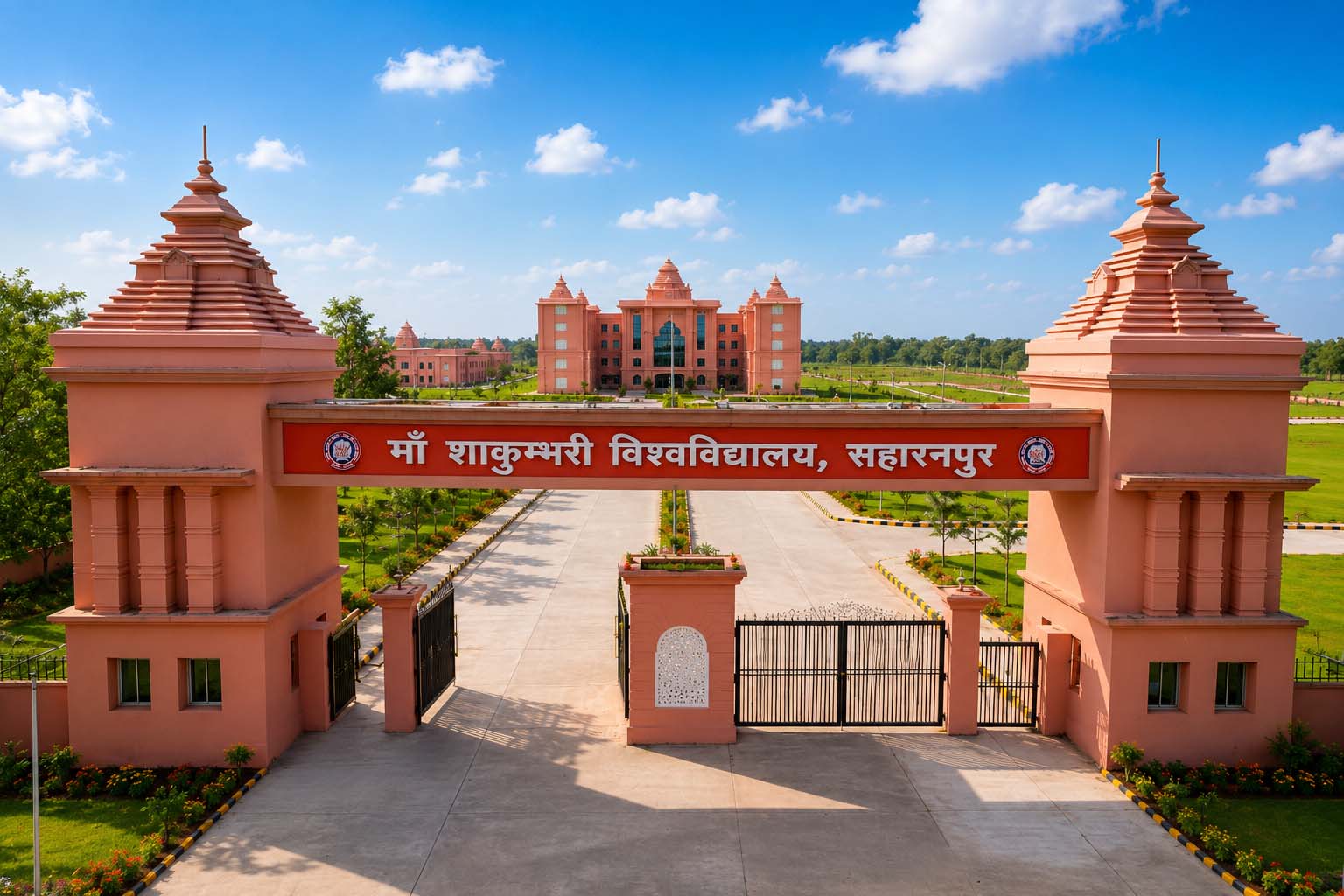
Maa Shakumbhari University Saharanpur
27 June 2026 / Annkit Kummar
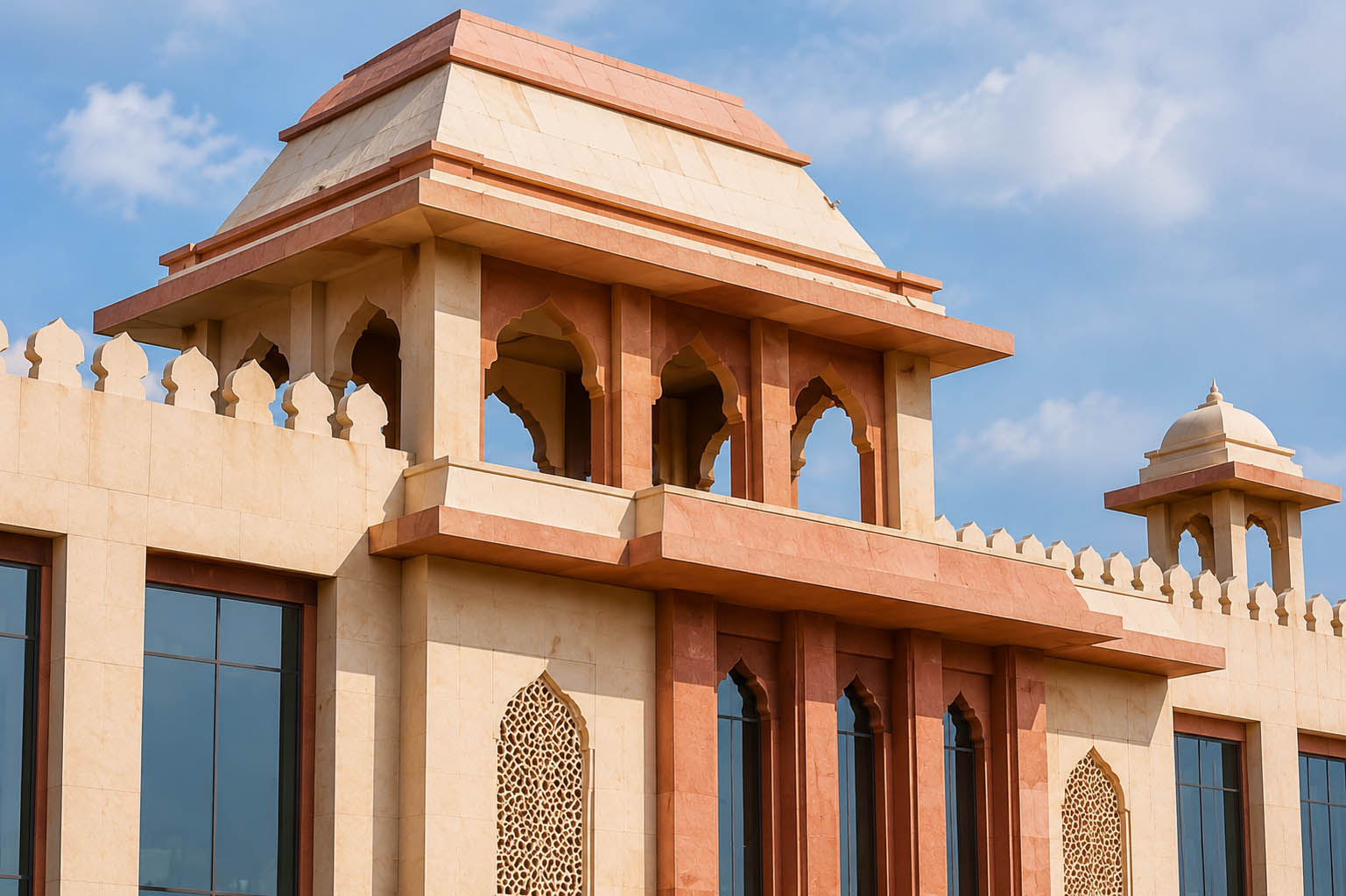
Pandit Deendayal Upadhyay Government Medical College, Churu
22 July 2026 / Annkit Kummar
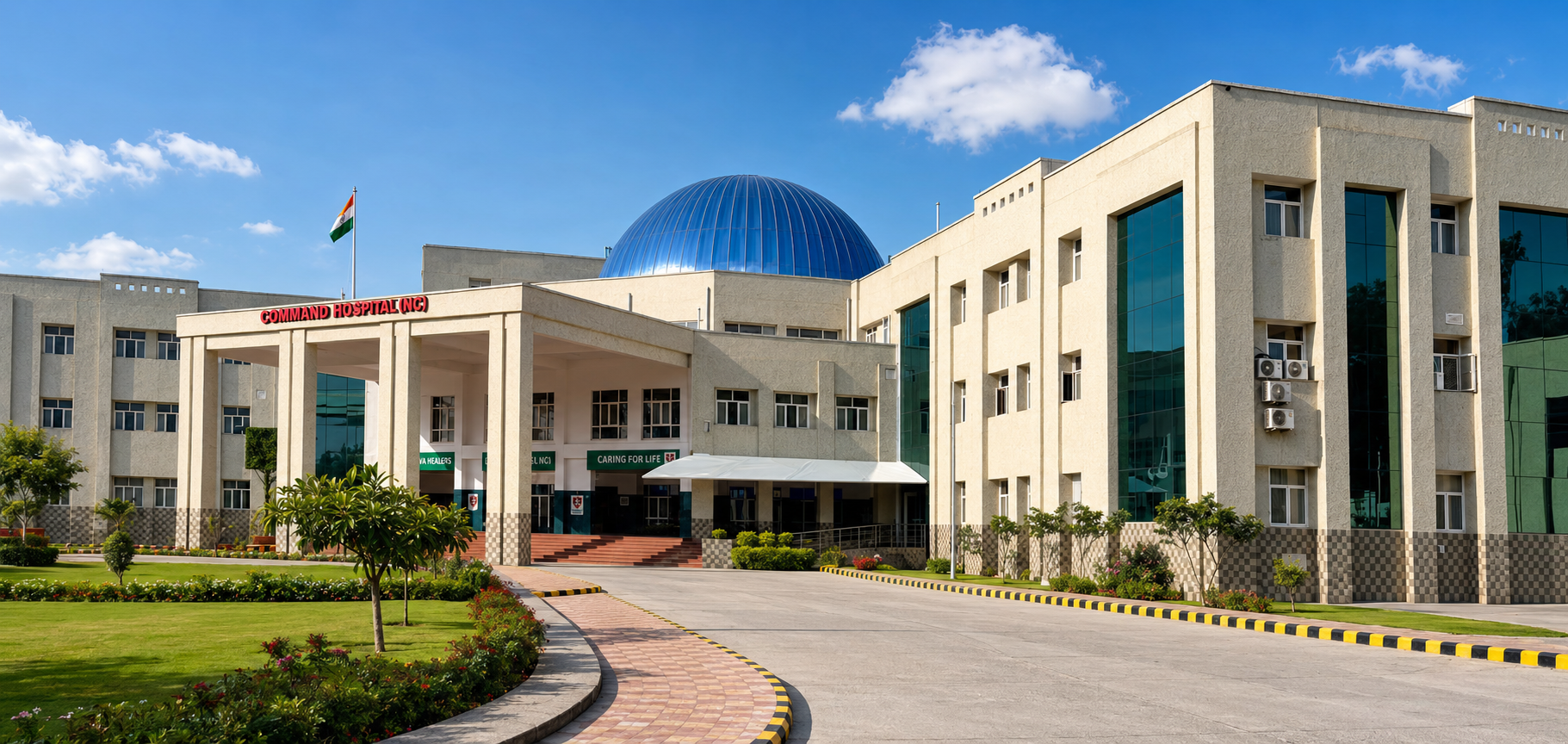
Command Hospital Udhampur | 850-Bed Defence Healthcare Campus
11 April 2026 / Annkit Kummar
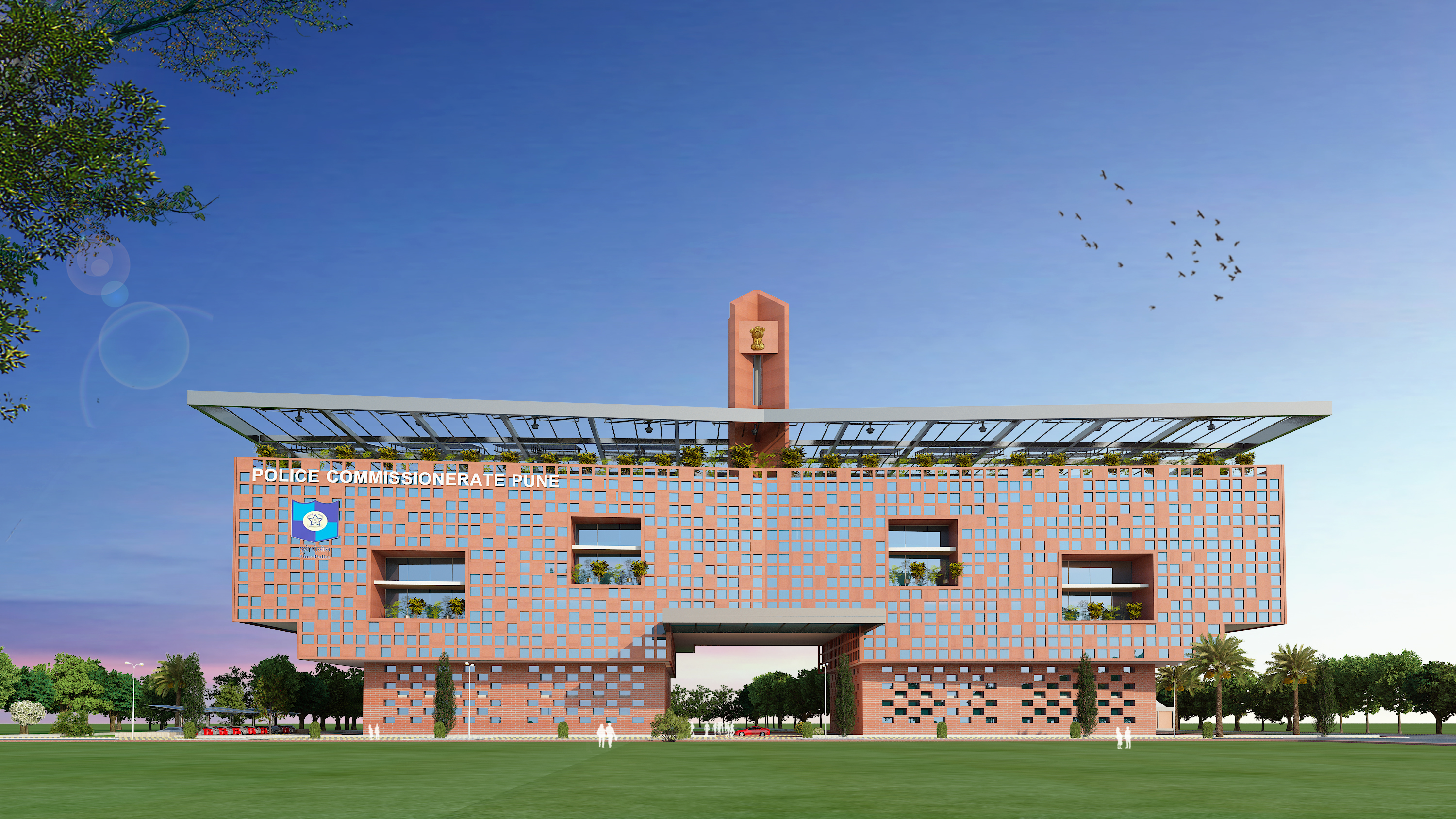
A new identity for civic architecture—bold, responsive, and unmistakably institutional.
20 July 2026 / Annkit Kummar
Research Park Architecture: A Future-Ready Ecosystem for Innovation
22 August 2026 / ANNKIT KUMMAR
RBI Officers’ Residential Complex, Lucknow
14 January 2025 / Annkit Kummar
Reimagining Hospitality: The Rajasthan State Guest House
14 January 2025 / Annkit Kummar
Fostering Community, Inspiring Growth: New Hostel at IISER Bhopal
14 January 2025 / Annkit Kummar
2000-Capacity Auditorium at Atal Medical University: A Landmark for Education and Innovation
28 December 2024 / Sakshi Mathur
Parametric Perfection
20 November 2024 / Annkit Kummar
Bold cantilevers, greener horizons
28 January 2025 / Annkit Kummar
Redefining Border Crossings: A State-of-the-Art Land Port Terminal
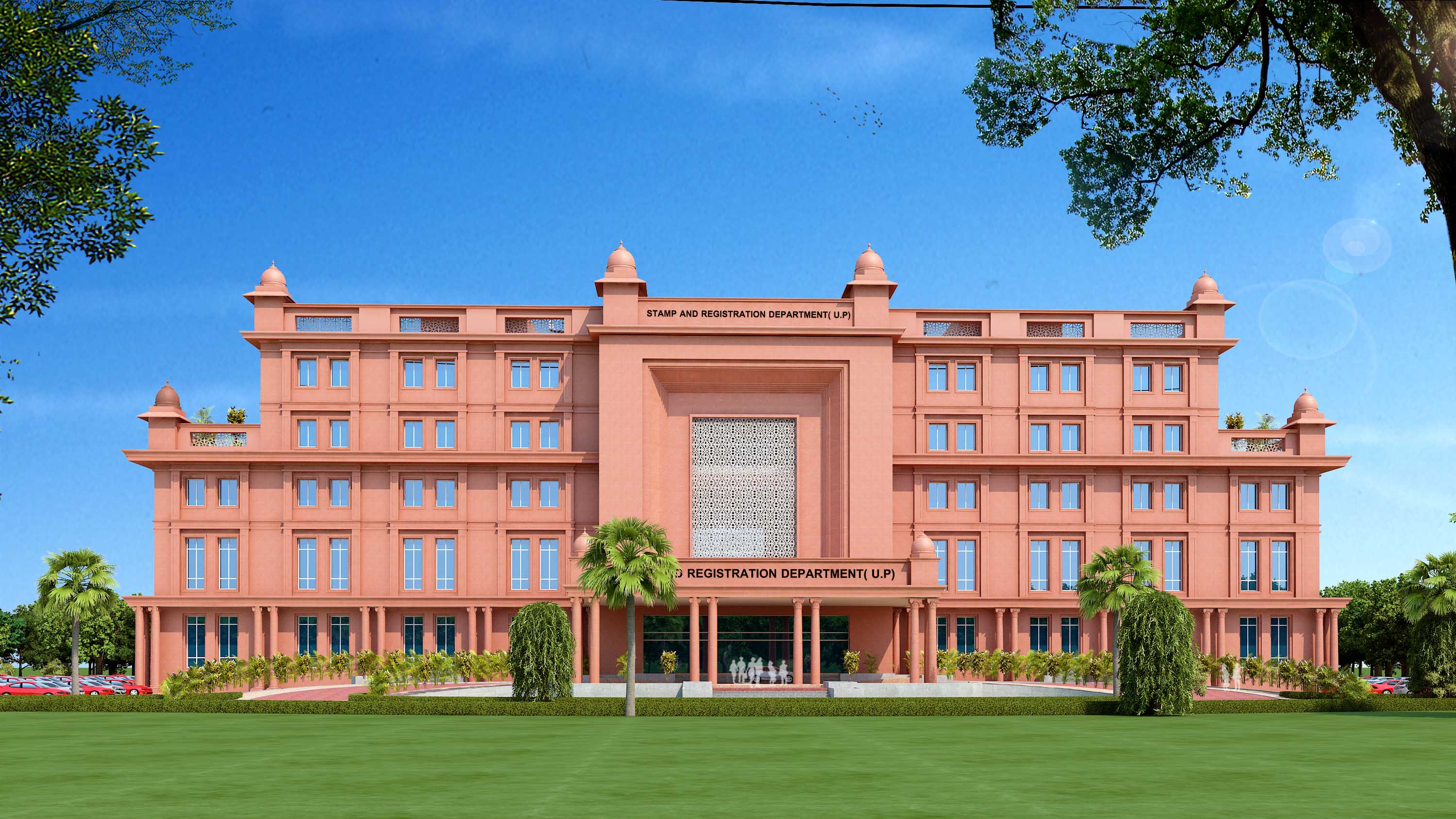
06 June 2025 / Annkit Kummar
Stamping a New Era: Lucknow’s Upcoming HQ Stamp and Registration Bhawan
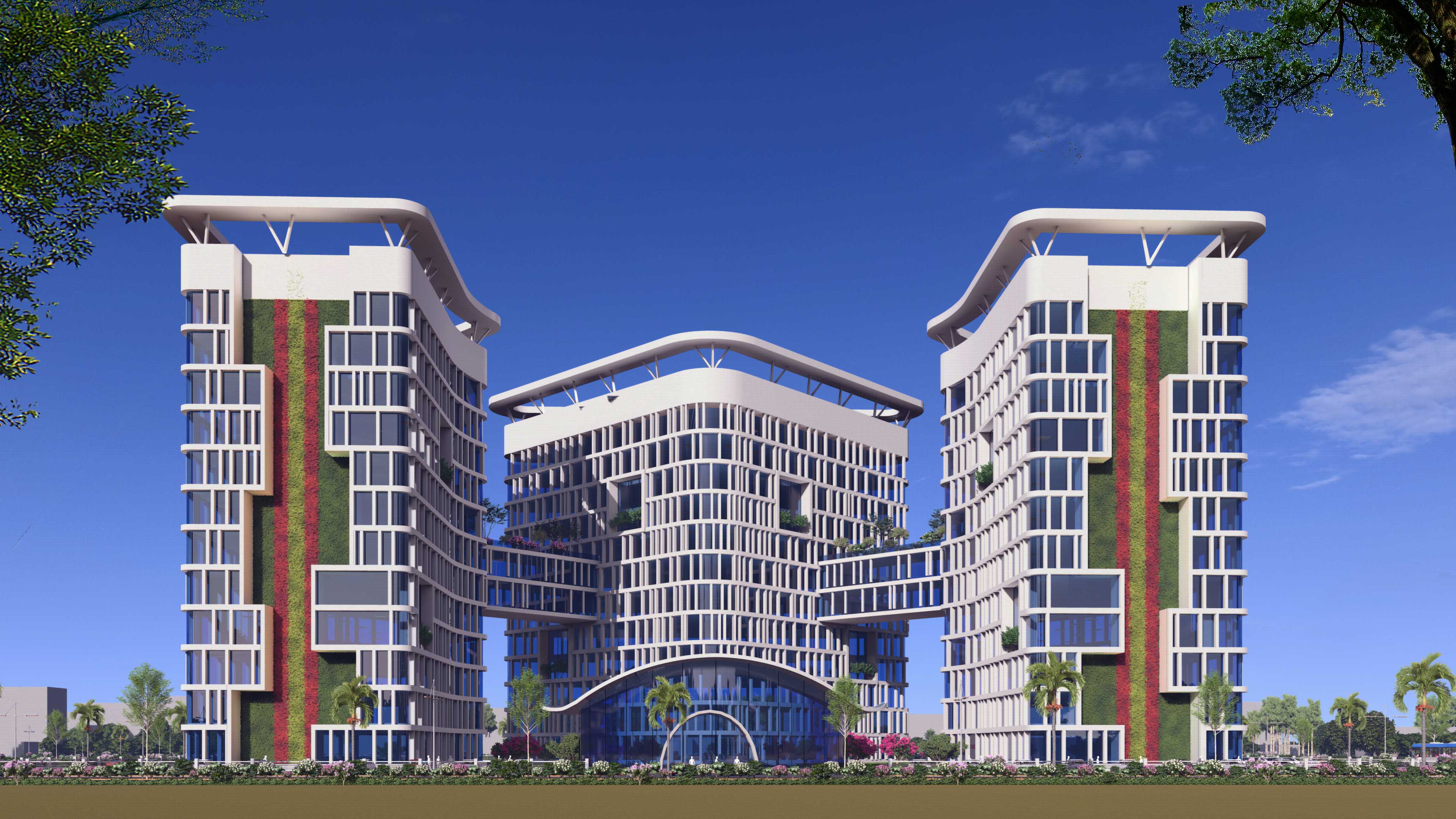
07 June 2025 / Annkit Kummar
Redefining Workspaces: The Futuristic IT Tower
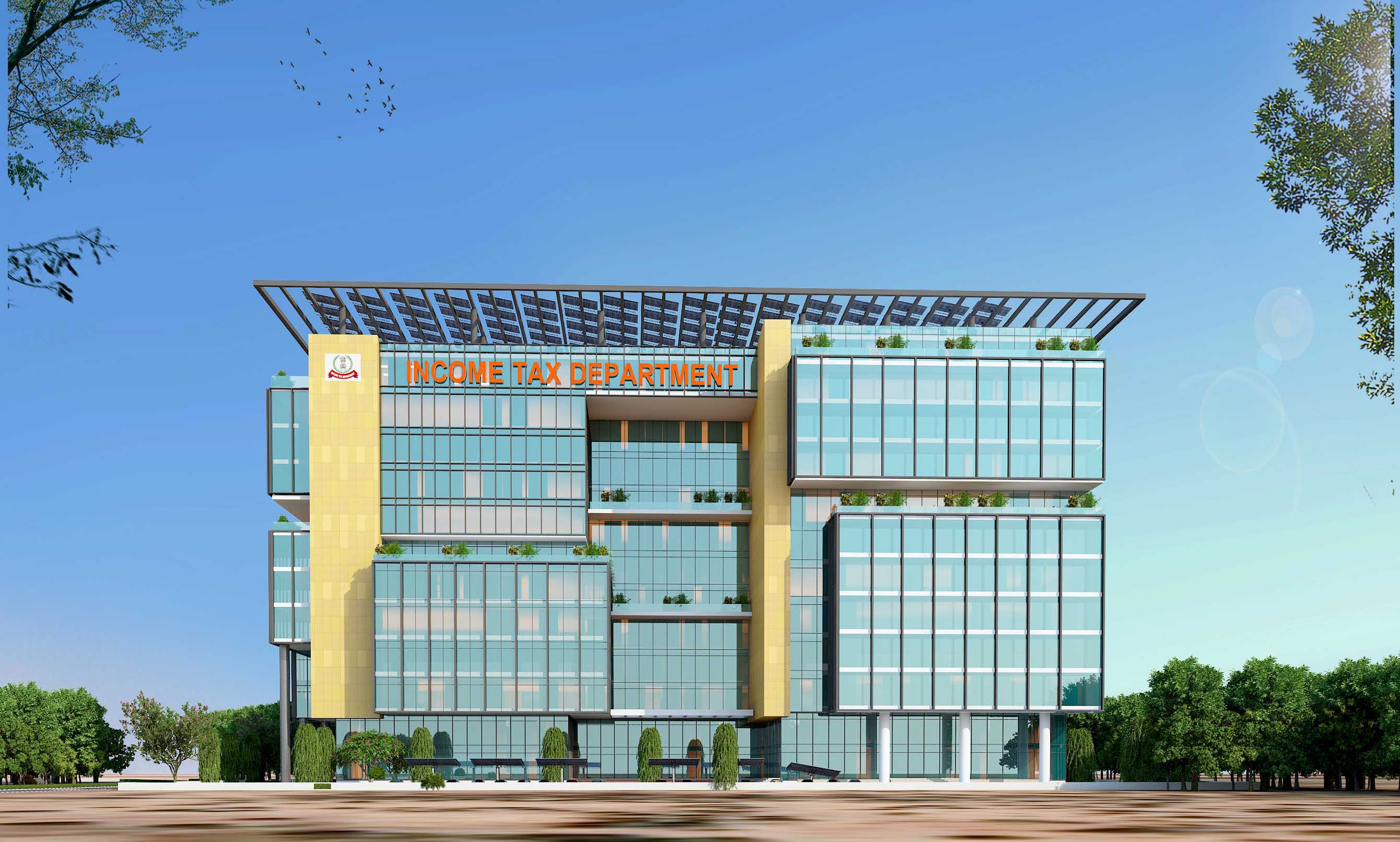
09 June 2025 / Annkit Kummar
Modern Governance, Engineered: Income Tax Office, Bangalore

13 June 2025 / Annkit Kummar
Justice Reimagined: The Integrated Court Complex of Mahoba
.jpg)
16 June 2025 / Annkit Kummar
Fossils, Forests, and Futurism: A Museum Designed to Inspire

18 June 2025 / Annkit Kummar
Steel, Skill, and Sustainability: The Architecture Behind India's IIS Vision
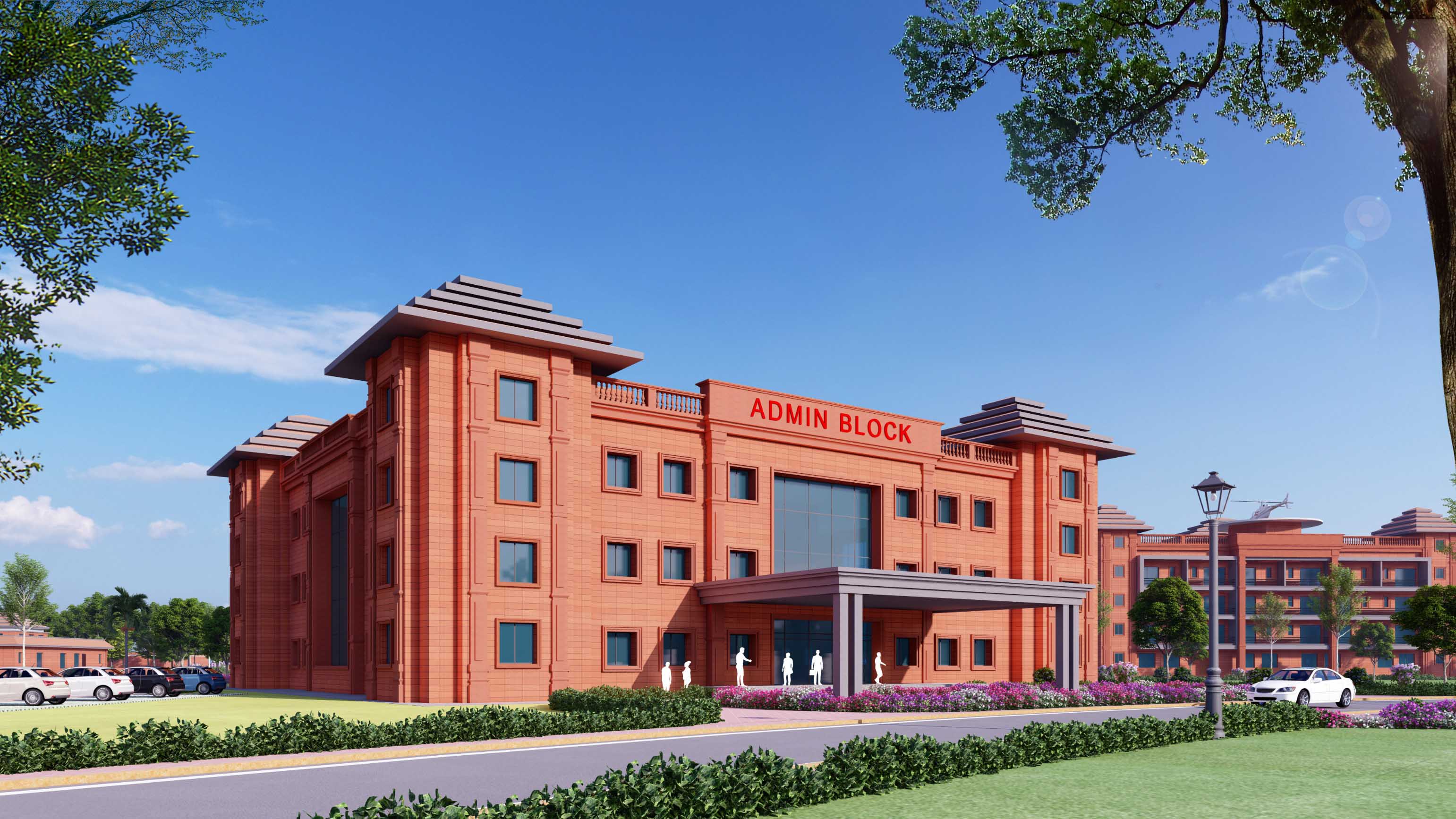
23 June 2025 / Annkit Kummar
Powering Progress: NLCIL’s Integrated Township to Transform Sambalpur’s Landscape
24 June 2025 / Annkit Kummar
Designing for Dignity and Recovery: How Patient-Centric Architecture Shapes the New OIL Hospital, Duliajan
25 June 2025 / Annkit Kummar
A Landmark in Banking Infrastructure: Bank of India's Regional Headquarters at Lucknow
27 June 2025 / Annkit Kummar
Fortifying Duty with Dignity: 49th PAC Battalion Campus, Greater Noida
15 September 2025 / Annkit Kummar
Income Tax Office Bhopal Secures GRIHA-5 Star Rating: A Beacon of Sustainable Governance
.jpg)
22 September 2025 / Annkit Kummar
Building the Future: Integrated Township at Raghunathpur Thermal Power Station (RTPS)
23 September 2025 / Annkit Kummar
Building Beyond Power: A Sustainable Township at Jawaharpur
19 November 2025 / Annkit Kummar
Shaping Future-Ready Learning Environments in the North-East: Inside ARCH-EN DESIGN’s Three JNV Campus Masterplans
06 December 2025 / Annkit Kummar
Justice by Design: Inside the Vision for the Integrated Court Complex of Hapur
07 March 2026 / Annkit Kummar
Dinosaur Fossil National Park
27 July 2026 / Annkit Kummar